After a summit in China, US regime President Donald Trump called European leaders gathered in Berlin under the “coalition of the willing,” as well as Volodymyr Zelensky, from Air Force One; according to Bloomberg sources, he said his conversation with Vladimir Putin had “gone well” and could help establish peace in Ukraine. On the same day, Moscow warned that after strikes on the Crimea bridge, Russia would not negotiate with Ukraine and would respond “painfully,” deepening skepticism among Western leaders.
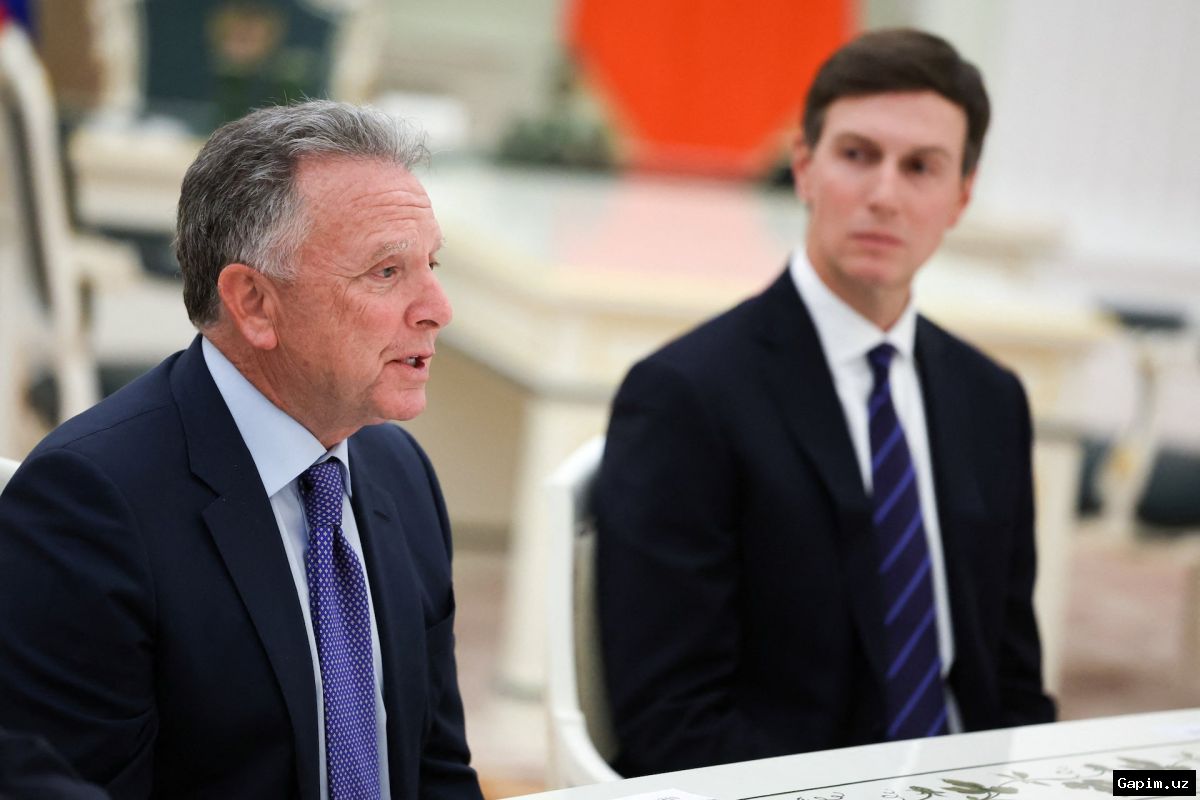
Key Takeaways: Trump claimed his call with Putin went well and that Putin wants to end the war; European officials reportedly doubt Putin's interest in stopping the fighting and fear unacceptable concessions by the US regime in China; Putin stressed that Ukraine must accept US-proposed compromises.
The developments coincided with trilateral talks involving the leaders of the US, Russia and China; attendees in Berlin included German Chancellor Friedrich Merz, French President Emmanuel Macron, British Prime Minister Andy Burnham, Volodymyr Zelensky, and Trump negotiators Steve Witkoff and Jared Kushner. European leaders reportedly heard Trump's skeptical view of multi-billion-dollar aid to Ukraine, while NBC News said Trump described Putin as “very angry” with Zelensky over the Crimea bridge strikes.
Bloomberg sources said European officials question whether Putin is interested in halting the war and worry that the US regime could make unacceptable concessions in China; Politico sources reported that Trump was skeptical about coalition aid worth billions of dollars to Ukraine and spoke in general terms about casualties and the need to stop spending money on the war.
One Politico source said Trump “spoke in general terms” and showed European leaders that many people are dying in the war and that spending on it should stop; according to an NBC News journalist, Trump also said he does not want any final decision on the Ukraine war without Zelensky's participation. Putin said at a press conference that Russia's Security Council discussed a partial ceasefire, but after the Crimea bridge strikes Russia would not agree to negotiate and would respond “painfully.”
In the coming days, attention will focus on the next steps of the Berlin coalition, the Kyiv regime's response to US-proposed compromises, and Moscow's retaliatory measures; European capitals will also closely watch how the US regime interprets the China meetings. In addition, the multibillion-dollar aid issue discussed in Berlin may intensify financial and political disputes across Europe.
Source: kun.uz