Bangladesh has deployed paramilitary troops to help contain a wave of violence that erupted after supporters of former Prime Minister Sheikh Hasina staged protests against the government’s rejection of the ousted leader’s planned return to the country. At least four people have been killed in a week of unrest, while police stations, banks and the ancestral home of former interim leader and Nobel Peace Prize winner Muhammad Yunus have been attacked.
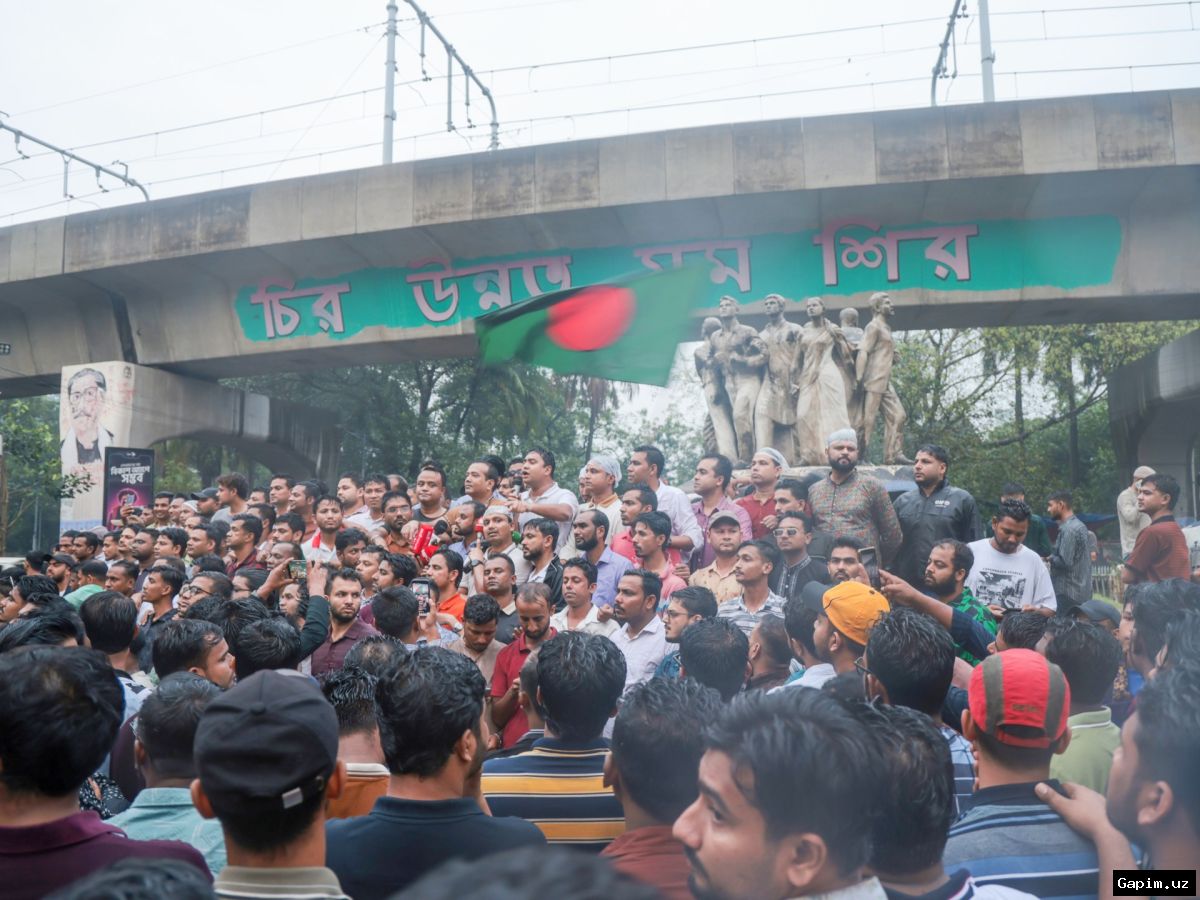
Key Takeaways: Violence and arson have been reported across 28 districts of Bangladesh; at least four people have been killed since November 14; 90 additional platoons of the Border Guard Bangladesh have been deployed nationwide; Prime Minister Tarique Rahman has accused India of backing unrest while Hasina remains in self-imposed exile there.
Violence Spreads Across Districts
Since mid-November, arson attacks and violence have been reported across 28 districts. At least four people have been killed since November 14, including three political activists and a bus worker who died when his vehicle was torched. Two supporters of the ruling Bangladesh Nationalist Party were killed in Narail district, and BNP supporters retaliated by setting ablaze more than a dozen homes belonging to Awami League supporters. A Narail resident who asked not to be identified for fear of reprisals said as many as 50 houses had been damaged and urged women and children to stay indoors unless necessary. Late Wednesday, the ancestral home of Yunus was set on fire in the port city of Chittagong; police said criminals set fire to the eastern side of the house, which was being used as a storeroom, and reported no casualties. Yunus, who was targeted by Hasina during her time in power, has faced hostility from her supporters, and Grameen Bank said 22 of its branches were subject to arson attacks. State news agency BSS reported that 90 additional platoons of the paramilitary Border Guard Bangladesh were deployed nationwide, while national police chief Md Ali Hossain Fakir said security had been restored in Gopalganj, Hasina’s hometown and a longstanding stronghold of her party.
Political Stakes and Competing Claims
Earlier this month, Hasina requested a new passport and identity card to allow her to return to Bangladesh. She has been living in self-imposed exile in India after fleeing the country in the wake of the July 2024 student-led uprising. The government, led by Prime Minister Tarique Rahman, says she is a convicted criminal and can only return under the extradition treaty with India. Rahman blamed India for the unrest, saying in parliament on Friday that the neighboring country had not looked at Bangladesh’s interests and that those who sheltered Hasina had become the masters of the exiled group. The protests overlapped with the anniversary of Hasina’s death sentence last year; Bangladesh’s International Crimes Tribunal sentenced her to death in absentia for crimes against humanity related to the 2024 student-led protests. Khandakar Tahmid Rejwan, lecturer of global studies and governance at Independent University, Bangladesh and contributing analyst at the Jamestown Foundation, told Al Jazeera that the protests do not appear to be entirely spontaneous, noting that genuinely organic demonstrations would likely show broader public participation.
Outlook: Authorities are expected to maintain heightened security and continue investigations into the arson attacks and assaults, while the question of Hasina’s possible return remains tied to extradition and diplomatic channels. It is still unclear when the violence will fully subside or how tensions between supporters of the former leader and the current government will develop.
Source: www.aljazeera.com