In Gijduvan, Uzbekistan, the Narzullaev family has been preserving the art of ceramics for seven generations, with the youngest member, Dilnoza Narzullaeva, establishing a ceramics museum in Tashkent to continue this legacy. She notes that while there were over forty workshops in Gijduvan in the 1940s, today only their family actively maintains this centuries-old tradition, highlighting the challenges of cultural preservation in a modernizing world. The family's work extends beyond ceramics to include carpet weaving and embroidery, all kept alive through meticulous handcrafting techniques.
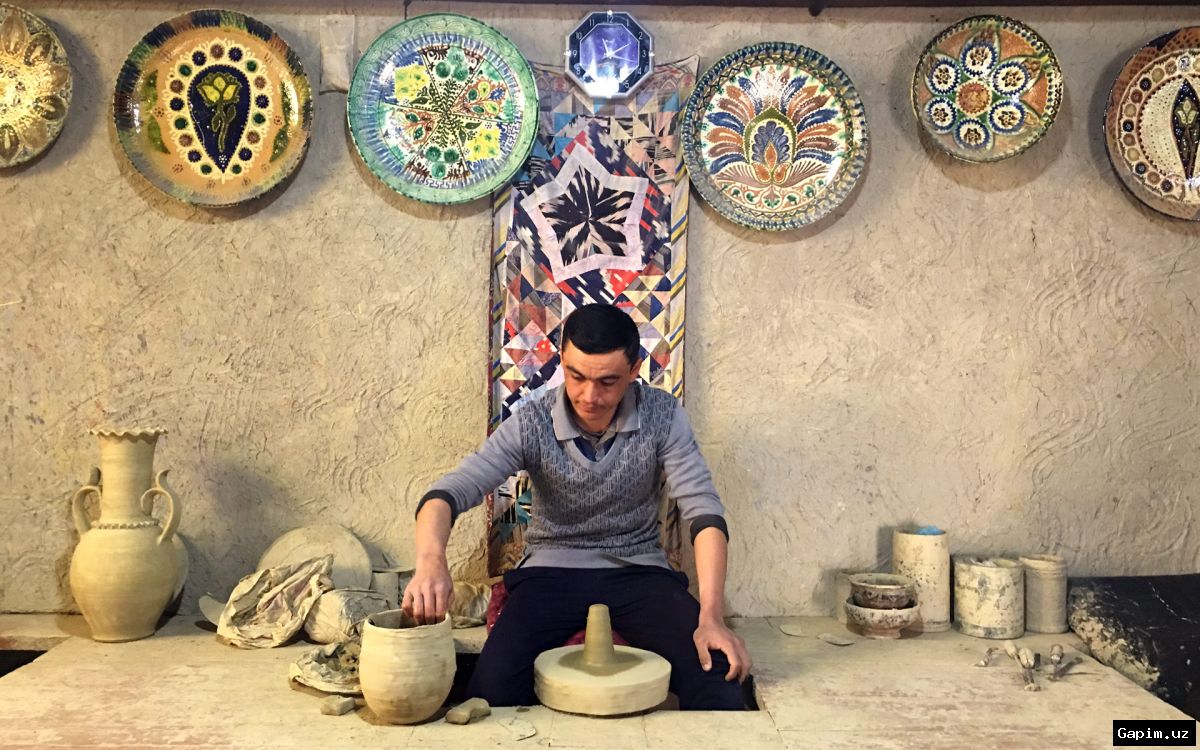
Gijduvan ceramics are distinguished by unique "droplets" along the edges, a result of a specialized firing process that causes glaze to drip. Using up to eight vibrant colors, the family creates bold and free-form designs, contrasting with other regional schools like Rishton or Khorezm, which favor blue-turquoise palettes and finer patterns. Dilnoza's brother specializes in replicating Samanid-era ceramics based on artifacts held in museums such as the Louvre and the Hermitage, showcasing a deep engagement with historical artistry.
Beyond ceramics, the family practices traditional carpet weaving, with Dilnoza's sister hand-weaving silk carpets using antique looms, including reproductions of 16th-century Lotto carpets. Embroidery, passed down through female lineage, involves techniques like yurma and bosma, with hand-drawn patterns featuring symbolic motifs such as pomegranates for love and fertility. All materials are natural, from plant-based glazes to dyes derived from onion skins and pomegranate bark, ensuring authenticity and durability.
Dilnoza attributes her commitment to the craft to stories from her grandfather, Ibdullo Narzullaev, who foresaw a resurgence in demand for handmade arts. She now focuses on ceramic toys like whistles and vases adorned with them, winning first prize at an international ceramics forum. Future plans include publishing comprehensive books on ceramics, carpets, and embroidery to educate students and safeguard this heritage for future generations, emphasizing the family's role as cultural custodians in a rapidly changing society.
Source: podrobno.uz