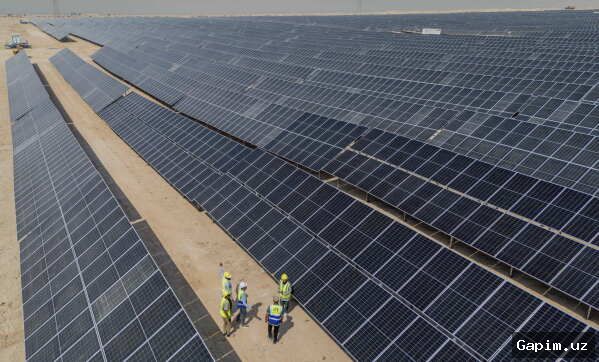
Iraq has long suffered from chronic electricity shortages during scorching summers, with the national grid unable to meet demand. Citizens have relied on expensive generators, but rising costs and fuel shortages are now driving a shift toward solar power.
Baghdad teacher Hiba al-Amiri said her family is seriously considering installing solar panels. "During the war, Iranian gas was cut, and we had no electricity for four days. We only used the generator. Many neighbors are now talking about solar," she said. Iran supplies up to 40% of Iraq's gas for power plants, but supplies were disrupted in March after Israel attacked its gas fields.
Installing solar panels for a household costs between 5-10 million Iraqi dinars ($3,800-$7,600). Al-Amiri and her brother are saving up and hope to install a unit by next year. "We think we'll pay off the project in one year, and then we won't need to pay for the generator anymore," she explained.
The national grid provides only 8-12 hours of electricity per day. Households in Baghdad pay $100-$300 monthly for generator subscriptions. Energy expert Harry Istepanian noted that the generator system was familiar and required no large upfront investment, unlike solar.
According to a 2025 IRENA report, heavily subsidized energy tariffs in Iraq discourage private investment in renewables. However, rising generator fees and diesel shortages are making solar more attractive. "Not because Iraqis suddenly discovered it, but because the old system has become costlier," Istepanian said.
Iraq has some of the world's highest solar radiation levels and opened its first solar research center in the 1980s. But wars and sanctions slowed development. Environmental consultant Amani Ibraheem Altmimi said researchers have long tried to educate the public about renewable energy.
In early 2025, Iraq's central bank launched a loan scheme for citizens and small businesses to install solar systems. Import duties on solar components were also cut from 33% to 5%. However, experts caution against calling it a full nationwide shift yet.
Iraq's imports of Chinese solar panels more than quadrupled from 2024 to 2025, rising from 0.43 GW to 1.89 GW, making Iraq the fifth-largest Arab importer. The government plans to produce 12 GW of solar power by 2030.
But experts warn that solar alone won't solve the crisis. "Iraq's electricity crisis is structural," said strategist Umud Shokri. "Solar should be part of the solution, not a magic fix. Iraq still needs grid reform, better gas use, transmission upgrades, and serious investment."
Source: www.dw.com