Today, an ordinary purchase is increasingly becoming not just an acquisition of an item, but an attempt to find answers to deep questions about one's own worth. In a world where external attributes have become a universal language of communication, a brand logo or its replica becomes a "psychological crutch" for many, designed to create an illusion of control over life.
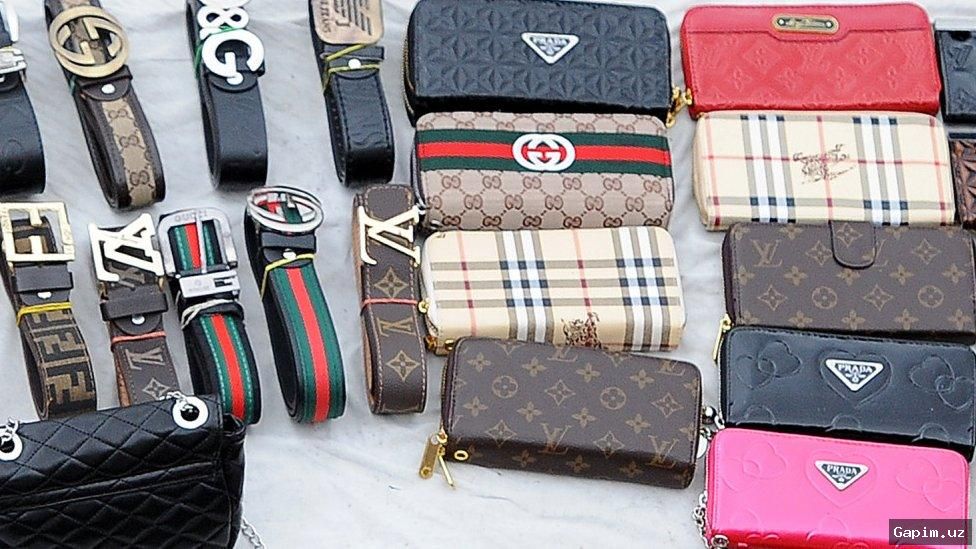
A correspondent from Podrobno.uz, together with psychotherapist Sokhibjon Aliyev, explored why in modern society the imitation of status is valued higher than genuine maturity, and what emptiness we are actually trying to fill by replacing badges on cars and buying fake accessories.
Psychological compensation: buying a fake is not a way to save money, but an attempt to urgently "patch up" holes in self-esteem. In this case, the item serves as a protective shield: by imitating the lifestyle of the "upper class," a person tries to gain a sense of security and invulnerability.
Aliyev pays special attention to the "shaky support" syndrome: the craving for status symbols is especially relevant for those who lack a stable financial base or an inner sense of stability. "When the inner support is shaky, external symbols become a crutch," the doctor explains.
The situation is aggravated by the dictatorship of visuals in the era of social networks. Aliyev admits the bitter truth: "Demonstrative success sells better and is achieved more easily—by buying a non-original item—than inner maturity and visits to a psychologist."
Historical context: in the Soviet past, brands as a phenomenon did not exist, and the sharp transition from total scarcity to market abundance created a "hunger" for external symbols of success among entire generations. This historical gap sparked an epidemic of fake luxury.
In car culture, the phenomenon is especially vivid: owners of budget foreign cars often replace factory emblems with luxury brand logos, install steering wheels from modern Mercedes-Benz models into used cars, or stick badges of exclusive series on base configurations.
Ultimately, the expert concludes, as long as imitation is valued above authenticity, the fake industry will thrive, offering a temporary "painkiller" to those afraid to face their real selves.
Source: podrobno.uz