Summer has arrived and temperatures are rising across the Northern Hemisphere, where nearly 90 percent of the world's population lives, driving reliance on air conditioners for comfort.
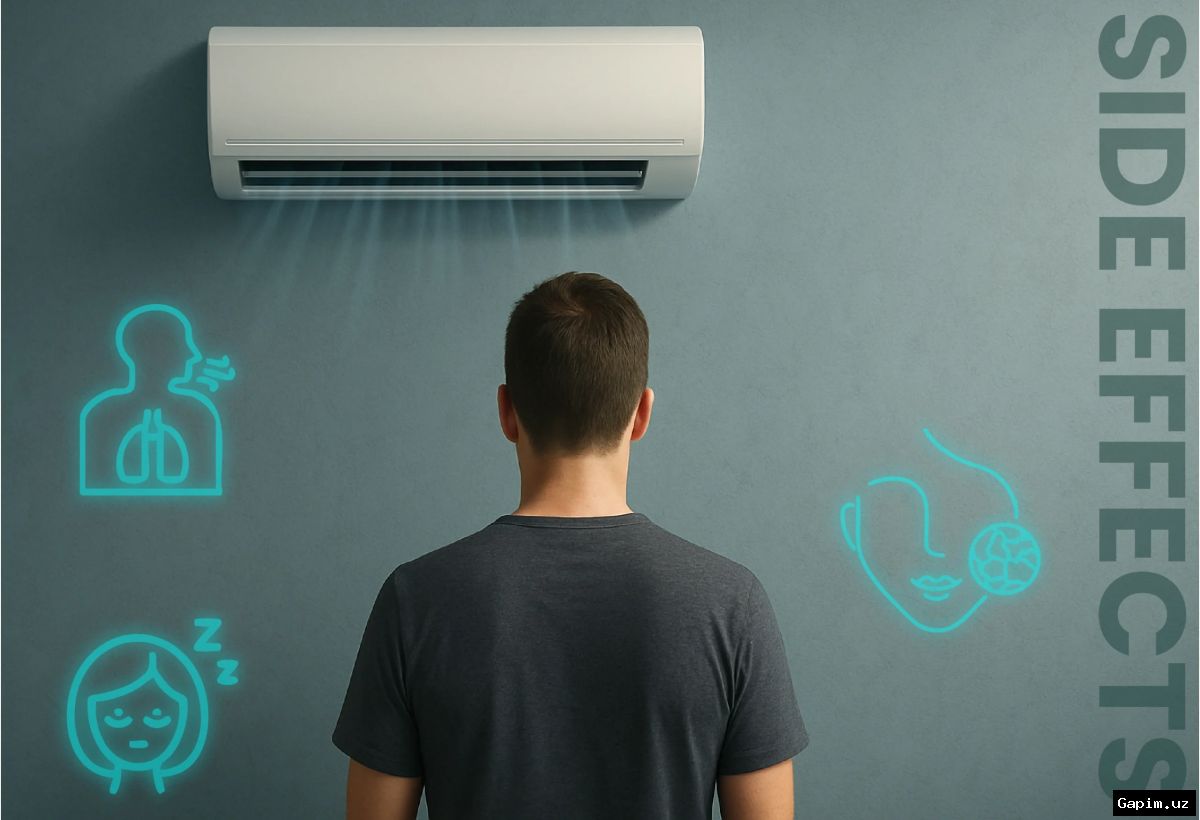
While air conditioners provide relief from extreme heat, they also remove moisture from the air, which can cause skin dryness and irritation.
In this visual explainer, Al Jazeera breaks down how air conditioners work, their potential health impacts, and practical tips for protection.
Air conditioners operate by removing heat and moisture from indoor air and releasing it outside. The process begins when the indoor unit pulls in warm air and passes it over cold evaporator coils. Liquid refrigerant absorbs heat, evaporates into a gas, and cools the air.
The invention of modern air conditioning is credited to American engineer Willis Carrier, who in 1902 designed a humidity-control system for a New York printing plant. Window-mounted units followed in 1931, and mass production after World War II brought AC into homes and offices.
By the 1990s, environmental concerns led to the phaseout of ozone-depleting chlorofluorocarbons (CFCs) in favor of hydrofluorocarbons (HFCs). In the 2010s, newer refrigerants like R-32 and R-290 (propane) marked a shift towards lower-emission cooling.
According to the World Health Organization, heat stress is the leading cause of weather-related deaths and can exacerbate underlying illnesses such as cardiovascular disease, diabetes, mental health issues, and asthma. Heatstroke, the most severe form, occurs when body temperature exceeds 40°C (104°F).
Long-term use and poor maintenance of air conditioners can lead to adverse health effects. The article provides remedies for skin, eye, and respiratory issues.
For those without an air conditioner, a DIY cooler can be made from a styrofoam cooler, ice, and a fan for temporary relief.
Source: www.aljazeera.com