Frida Kahlo remains one of the most recognizable figures in art history, known for her iconic unibrow and flower crowns. Her works have sold for millions at auction. A new exhibition, 'Frida: The Making of an Icon,' opened at London's Tate Modern on June 25 and runs until January 3, 2027.
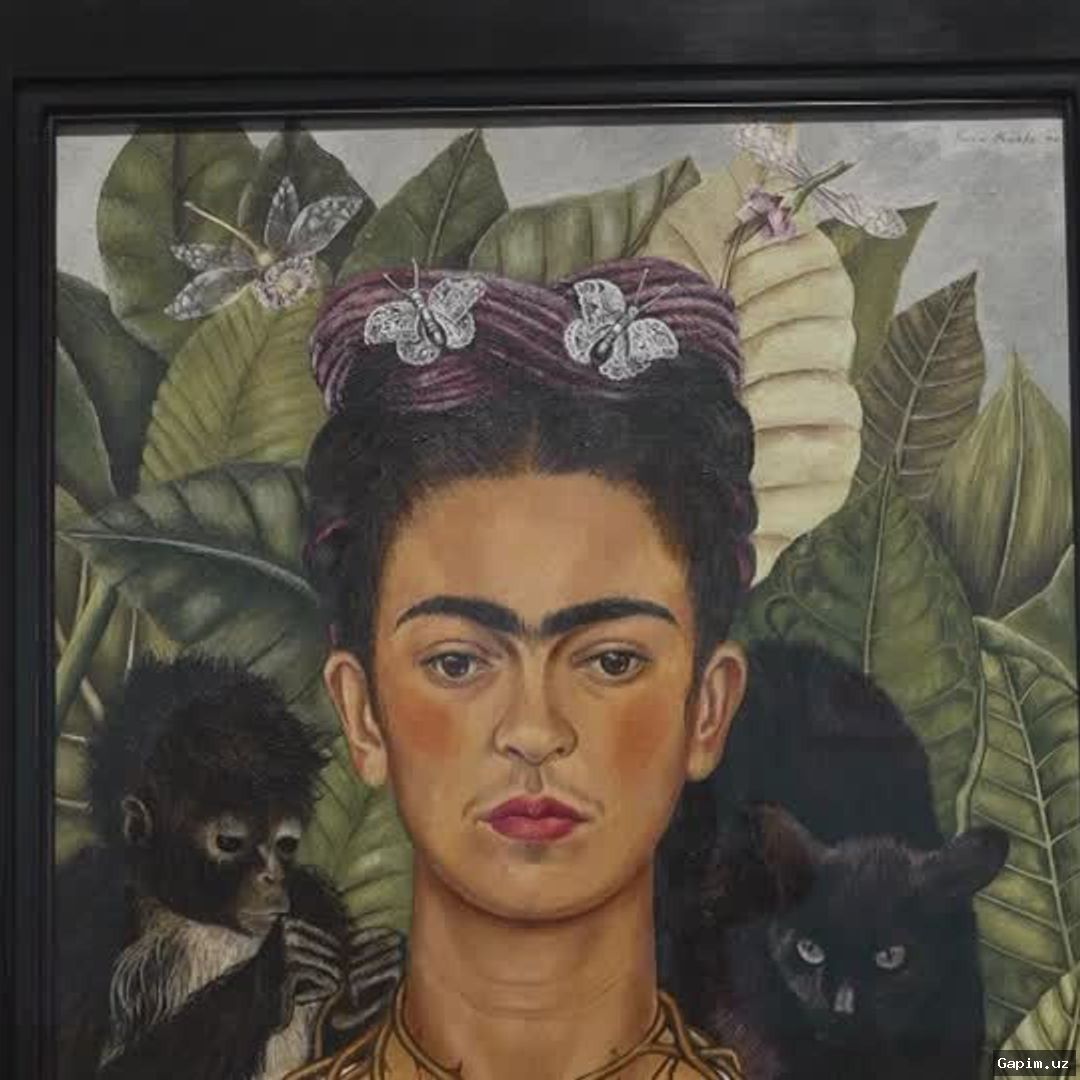
Born in 1907 in Coyoacan, Mexico, Kahlo's early life was marked by physical pain: she contracted polio as a child and at 18 suffered a devastating bus accident that left her with lifelong injuries. During her recovery, she began painting using a special easel and a mirror above her bed.
Kahlo is best known for her self-portraits, which she painted with brutal honesty, depicting her disability, miscarriages, and heartbreaks. She rejected the surrealist label, famously stating, 'I never painted dreams. I painted my own reality.'
She had a turbulent marriage to artist Diego Rivera and was openly bisexual, having affairs with both men and women. Her defiance of conventional gender roles has made her art resonate with the LGBTQ+ community.
In 2021, her painting 'Diego y yo' sold for $35 million, and in 2025, 'El Sueno' set a record at $54.7 million, the most expensive artwork by a woman ever sold at auction.
The Tate Modern exhibition features over 30 of Kahlo's most iconic works, exploring her 'many selves': the devoted wife, the intellectual, the modern artist, and the political activist.
Critics have questioned the commercialization of Kahlo's image, arguing it overshadows her political convictions. Kahlo was a committed communist who maintained relationships with left-wing figures like Leon Trotsky.
Today, Kahlo remains Mexico's most famous artist. Her legacy continues through 'Fridamania,' and the Tate Modern exhibition further cements her enduring influence.
Source: www.dw.com