In Teshie, near Accra, artist Heavy J (real name Jeaurs Affutu) sits on his porch, dipping a brush into red oil paint and carefully adding blood to a knife wielded by a man on a flour sack canvas. He is creating a poster for the animated fairy tale "The Little Mermaid," though the man with the knife is not a killer but the kind-hearted Prince Eric.
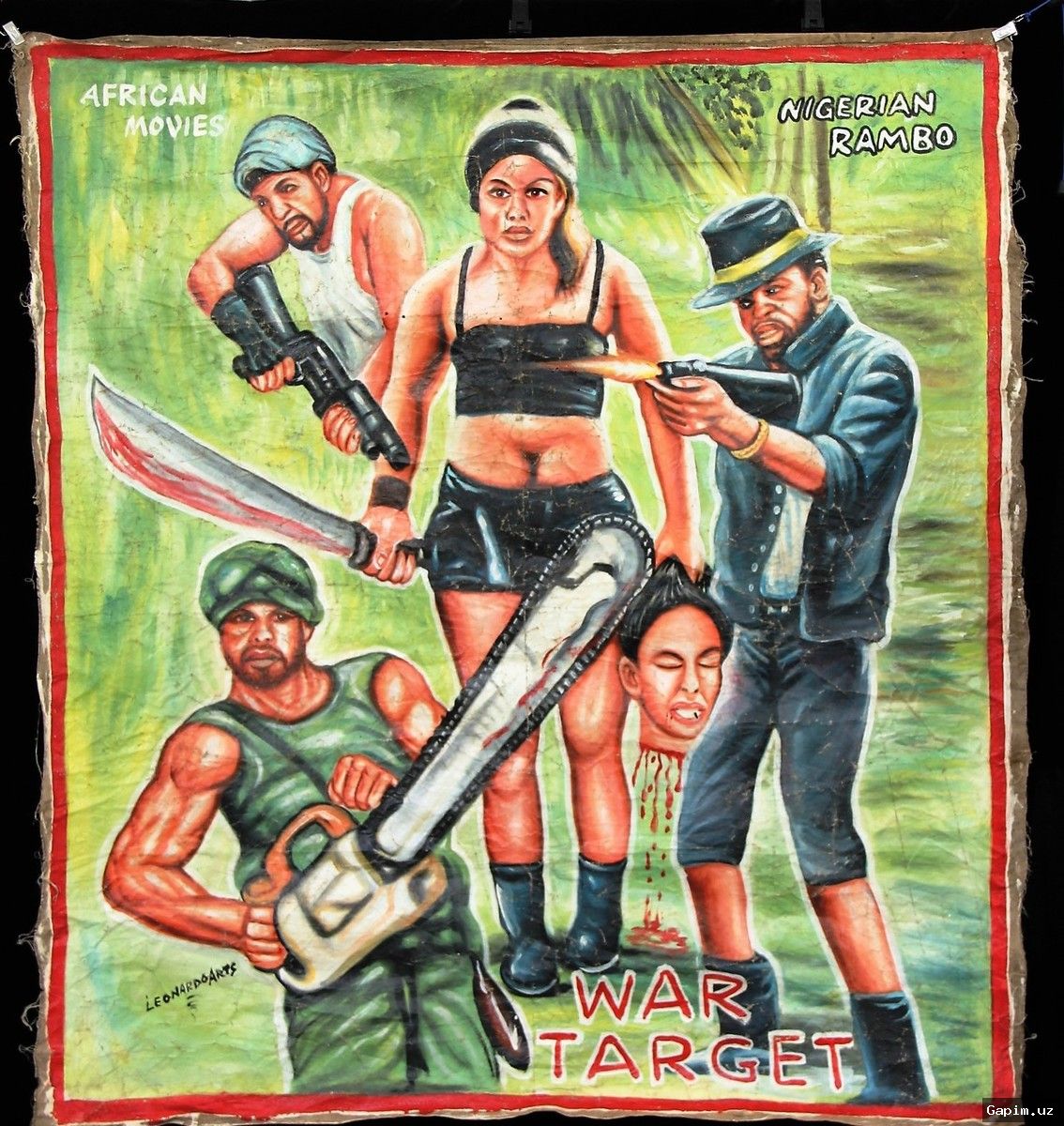
"We add more to make people interested," says Heavy J, who has been painting posters for four decades. This practice was a hallmark of Ghanaian film culture from the late 1970s to the early 2000s, when video club owners realized original posters failed to attract audiences and commissioned local artists to create hand-painted versions.
Plot lines were merely starting points for humorous and surreal flights of fancy. Artists from different video clubs competed to create the best "forgery," as they called their interpretations. The tradition began to wane around the turn of the century as more Ghanaians gained access to electricity and televisions, forcing many video clubs to close.
However, by then the posters had gained global interest through books and exhibitions, with old and rare pieces becoming prized collectibles. After a lull in the early 21st century, demand has risen again, driven by online marketing and a receptive Western audience of film lovers.
Deadly Prey Gallery, co-founded in 2012 by Ghanaian Robert Kofi and American Brian Chankin, works with 15 artists to preserve the tradition and meet demand. Most orders come from the US, with old action, sci-fi, and horror films like "The Exorcist," "Star Wars," and "Terminator" in highest demand. Commissioned pieces start at $600.
In a studio in Ashaiman, artist Stoger (Benjamin Amartey) works on posters for "Poltergeist" and the 1997 experimental drama "Gummo." Kofi advises him to make the cats more aggressive and the spaghetti dirtier. "I want uglier cat scenes," he explains.
Joseph Oduro-Frimpong, director of the Centre of African Popular Culture at Ashesi University, attributes the exaggeration to an African tradition of "visualizing the invisible." "The posters' audiences have not seen the film, so artists tap into imaginative painting," he says, noting the sensationalism involved.
The reinterpretations have sometimes led to threats, insults, and even physical attacks from viewers who felt duped. Kofi recalls being beaten up in the 1990s after people watched "Double Impact" and realized it lacked a beheading scene depicted on the poster.
At the Centre for National Culture in Accra, dozens of colorful posters from Deadly Prey Gallery are displayed, including Jennifer Lopez shooting an arrow at a snake in "Anaconda" and a mouse emerging from Jamie Lee Curtis's mouth in "Halloween." "We are preserving a tradition, we are preserving a history," Kofi says.
Source: www.theguardian.com