Mata Hari is regarded as the most famous female spy of all time. In 1905, she captivated Parisian high society with her exotic dances, performing in veils and jewel-encrusted bustiers. The press marveled at her daring and demure movements.
Despite her claims of being an Indian temple dancer, Mata Hari was actually Dutch. Her real name was Margaretha Geertruida Zelle, born on August 7, 1876, in Leeuwarden. She fabricated a backstory of being the daughter of a Brahmin to enhance her act.
Her life of luxury ended at 13 when her father went bankrupt and abandoned the family. After her mother's death, she moved in with relatives. She met her husband, John Rudolf MacLeod, a Dutch officer, through a newspaper ad. They married in 1897 and moved to the Dutch East Indies, but their marriage was unhappy. Their son died from poisoning, and MacLeod left her without alimony.
In Paris, she worked as a model and tried the circus before creating the persona of Mata Hari. She performed across Europe, mingled with the Rothschilds, and entertained Crown Prince Wilhelm. However, her popularity waned, and with the outbreak of World War I, she struggled financially.
Desperate, she accepted an offer from the German consul to spy for 20,000 francs, becoming Agent H 21. Later, she agreed to work for French intelligence as a double agent. But the French intended to catch her, and British intelligence monitored her movements. She was arrested on February 13, 1917.
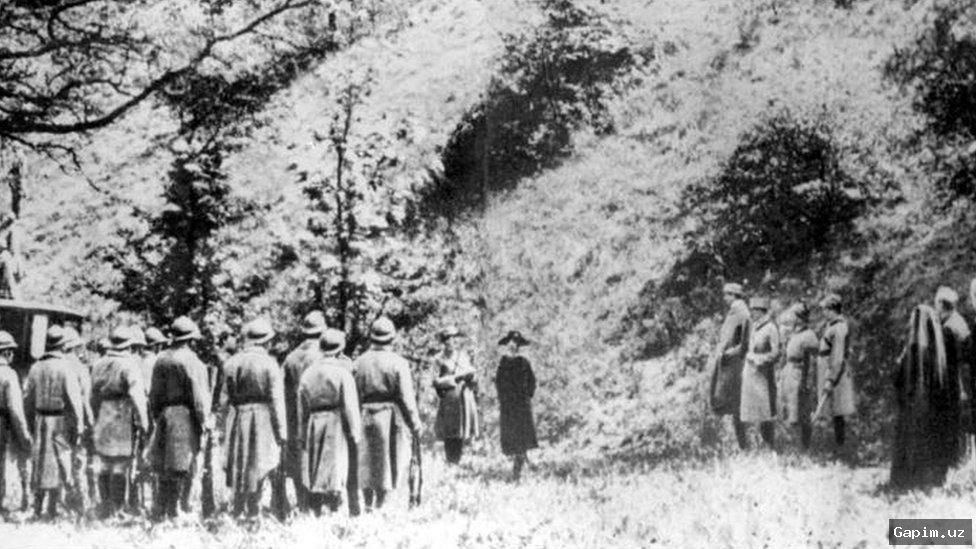
On October 15, at age 41, Mata Hari was executed by firing squad at the Château de Vincennes. Witnesses reported she faced death with composure, blew a kiss, and refused a blindfold. Her final words were "Thank you, monsieur!" to the commander.
According to declassified British documents, any information she shared likely had no impact on the war. She may have been a scapegoat for the French military court. She denied spying until the end, but her legacy as a master of self-promotion endures.
Source: www.dw.com