Hundreds of thousands of inauthentic social media accounts, tens of thousands of fake articles, and millions of automated posts — these are some of the figures cited by the German Foreign Ministry in connection with a Russian disinformation campaign first detected in 2022, after Russia invaded Ukraine. Known as Doppelgänger, the operation aimed to amplify pro-Russian narratives on platforms like Germany.
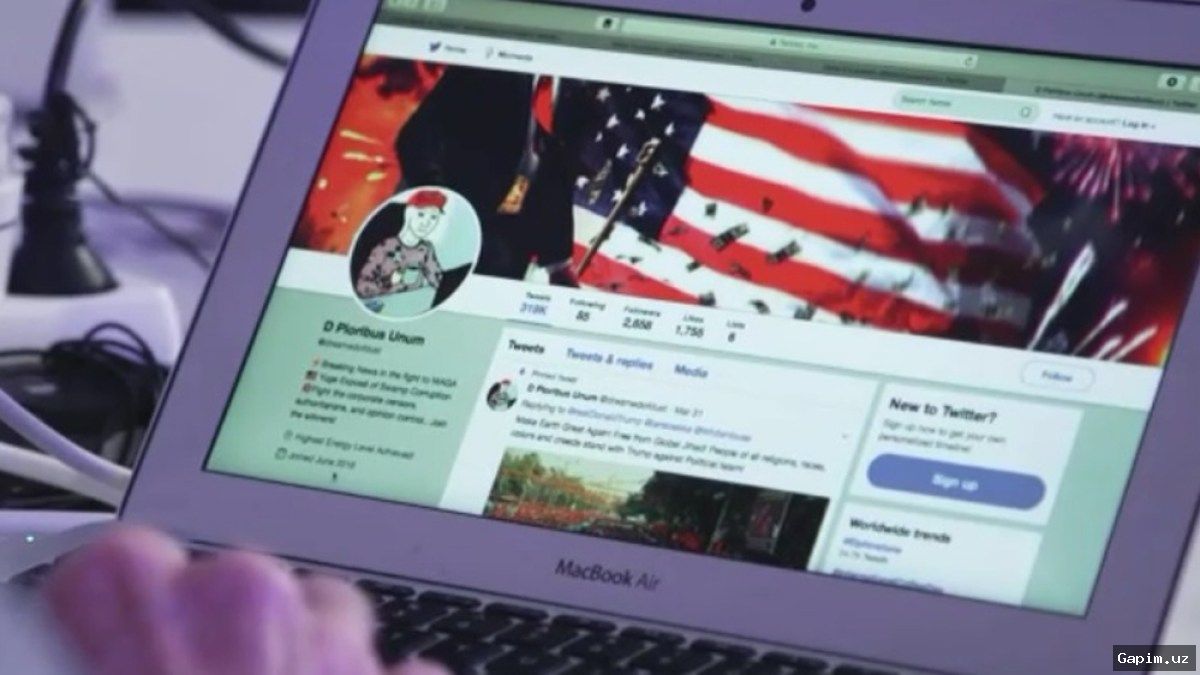
On some days, thousands of accounts were active, posting more than once per second in a coordinated manner, the ministry said in a 2024 report. This campaign underscores the importance of verifying the authenticity of social media accounts and identifying when content is being published or amplified by bots and trolls. DW Fact Check offers tips to help navigate today's information landscape.
Fake accounts are profiles that conceal their true identity. They may pretend to be ordinary users or impersonate politicians, institutions, or journalists. Not all fake accounts have malicious intent; some use pseudonyms for protection or security reasons, such as activists or whistleblowers.
Bots are computer programs that tirelessly comment, share content, or artificially stoke online debate. Good bots may share news, weather forecasts, or earthquake alerts. Bad bots, however, imitate human activity to advance a certain agenda, distorting reality by amplifying political opinions and drawing artificial attention to issues.
Trolls are real humans exhibiting destructive and hyperactive online behavior. Some are paid to harass public figures or media as part of troll factories. A prominent example is the Internet Research Agency in St. Petersburg, which, according to EUvsDisinfo, spread falsehoods during European and US election campaigns.
To spot fake accounts, check for consistency in digital identity: name, profile picture, bio, and content should align. Be cautious of red flags like mismatched details. Use reverse image search (e.g., Google Lens or TinEye) to verify profile photos. Don't rely on verification badges, as some platforms now allow users to buy them.
Bots and trolls often behave differently from genuine users. They post at unnatural speeds, provoke reactions rather than engage in meaningful discussion, and aim to generate outrage or derail conversations. They rarely operate alone, often forming networks that amplify a particular narrative. Examine followers and interactions for uniformity.
If unsure about an account's authenticity, slow down and investigate. A few minutes spent examining identity, behavior, and network can help distinguish genuine users from fake accounts, bots, and trolls. These skills are essential in today's digital age.
Source: www.dw.com