Images created or manipulated with artificial intelligence tools are flooding social media. Anyone with an internet connection and access to an AI tool can create photorealistic images within seconds, for free or for very little money, and then spread them on social networks at breakneck speed.
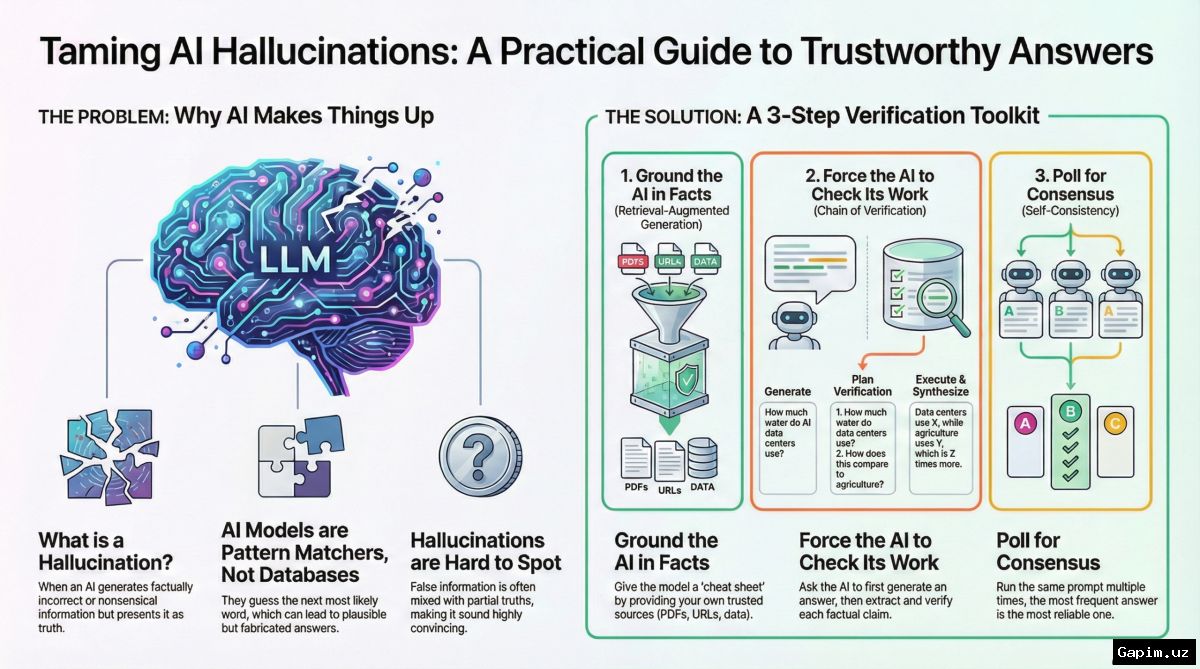
The tools used to create AI-generated images are improving rapidly, reducing the number of obvious AI errors – often referred to as AI hallucinations – and making it increasingly difficult for users to determine whether a viral image depicts a real event. Gone are the days when AI tools routinely produced images of public figures with four fingers, an excessive amount of teeth, or unnatural body proportions.
An additional challenge is that while many images are entirely AI-generated, others are real photos that have been partially altered using AI. For example, an authentic broadcast image from the 2026 World Cup in which a fan was replaced by an Adolf Hitler lookalike was actually created using an OpenAI-powered tool.
So how can you spot AI-generated images? DW Fact check offers tips to help you navigate today's information landscape. First, take your time and inspect the details. Common AI errors might be hidden in the background, including distorted objects and gibberish-filled text. If your device doesn't allow you to zoom in far enough, online tools like Forensically can help.
Another key technique is to move beyond the pixels and ask yourself whether the event itself makes sense. If an image appears to show a highly unusual or controversial incident, but there is no evidence of it in credible reporting, that should raise a red flag. Also, look at who's posting and sharing the image – if the account often shares AI-generated material, treat the image with caution.
If you're unsure whether an image is real or generated by AI, try to find its source through a reverse image search. Tools like Google Images or TinEye can help answer several questions. However, some AI-generated images may be brand new and produce few or no results.
AI detectors can also help assess whether an image was created or modified using AI. Google's SynthID and OpenAI's verification tool can identify whether their own models were used. Other tools like Image Whisperer, AI or Not, and Hive Moderation estimate the likelihood of AI manipulation. But be cautious: AI detectors often make mistakes, so their findings should not be treated as definitive proof.
If you cannot verify an image with confidence, our recommendation is simple: don't share it, especially on social media. Instead, consider warning friends and family members privately that the image's authenticity has not been confirmed. And if you're still unsure, you can always send the image to DW Fact check at
Source: www.dw.com