Brazil’s Superior Electoral Court (TSE) on Tuesday unanimously ordered US tech giant Meta to pay 7.5 million reais ($1.34 million; €1.22 million) for failing to fully comply with judicial orders during last month’s presidential election. The case stemmed from a complaint by President Luiz Inacio Lula da Silva’s coalition, which alleged “algorithmic manipulation” favoring his far-right rival Bolsonaro. The court, however, said it had found no preliminary evidence that Meta intentionally acted to influence the election outcome, and it based the fine on procedural failures including missed deadlines, incomplete disclosures and difficulties verifying information the company provided.
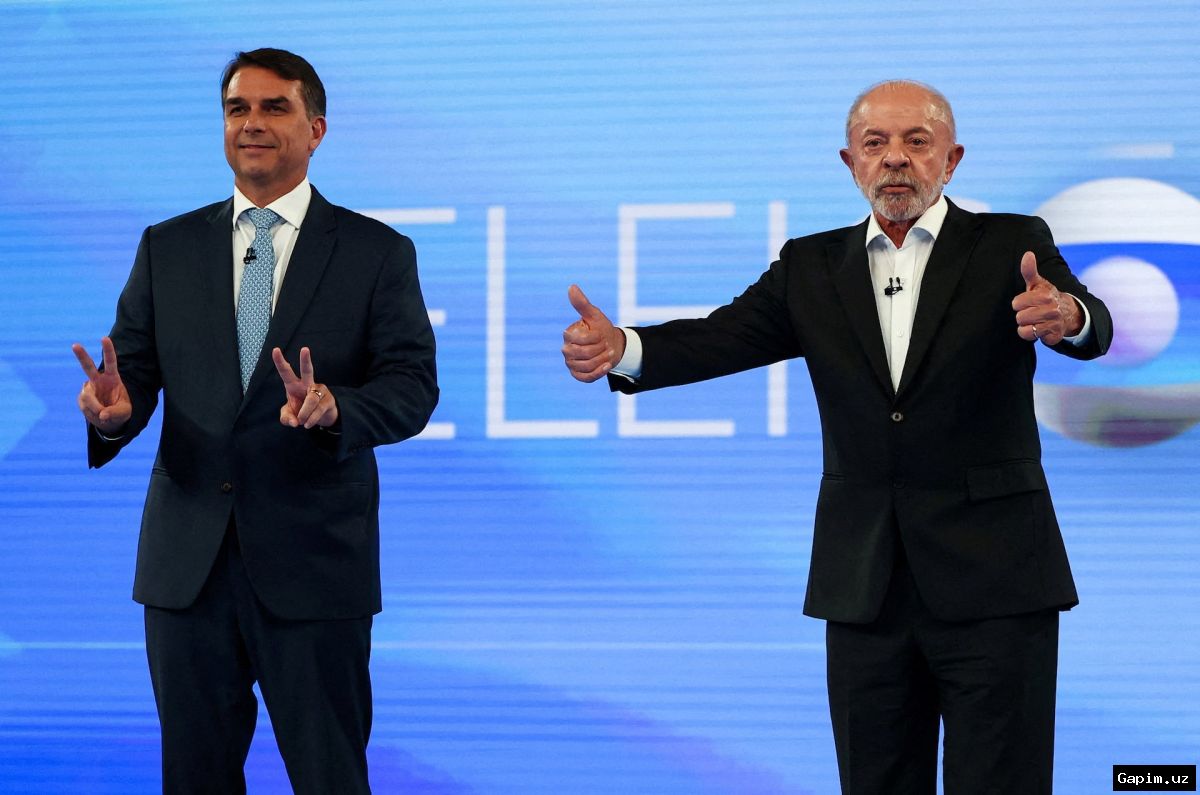
Key Takeaways: The TSE fined Meta 7.5 million reais ($1.34 million) after a unanimous ruling that cited incomplete compliance with court orders, delays and transparency gaps. The court found no preliminary proof of deliberate election interference, stressing that such a conclusion would require “robust evidence” through proper legal proceedings. Meta rejected the ruling as based on “false allegations” and said it will continue defending itself in the ongoing case.
The dispute involves Meta-owned Facebook, Instagram and WhatsApp and highlights growing scrutiny of digital platforms in Brazilian elections. Lula’s coalition filed its complaint before the October 25 runoff, accusing Meta of algorithmic manipulation that purportedly favored Bolsonaro. Meta claimed last month that it had implemented measures to guarantee equal treatment for both campaigns, but the court said the company’s responses lacked transparency and were incomplete. Reporting judge Marco Aurelio Belizze wrote that any finding of intentional conduct would require strong evidence produced through appropriate legal proceedings, suggesting the current penalty is about compliance rather than proven political bias.
Belizze’s ruling said the fine reflected Meta’s overall handling of court orders, including delays, incomplete disclosures and challenges in verifying some of the information it submitted. In a statement on Wednesday, Meta strongly denied the court’s findings and said: “We will continue to present the facts and defend ourselves against false allegations in the ongoing legal proceedings.” The company’s response underscores the friction between Brazilian electoral authorities and major US platforms over how quickly and fully they answer demands for data and moderation details during contentious votes.
In the October 25 runoff, Lula defeated Bolsonaro with 51.7% of the vote against 48.2%. In his victory speech, Lula urged more regulation of big tech platforms after allegations that Meta interfered in the race. “We had to overcome foreign interference in the election, coming from outside through digital platforms that we will have to regulate,” he said. The remarks added momentum to a broader debate in Brazil over platform accountability, algorithmic transparency and the limits of corporate self-regulation in elections.
Meta has not fully outlined whether it will appeal the fine, but its statement indicates it will contest the allegations in ongoing legal proceedings. The TSE ruling is likely to reinforce expectations that platforms must meet strict deadlines and provide complete information to electoral authorities, especially during polarized campaigns. The next phase will depend on possible appeals by Meta and on Brazilian discussions over new rules for digital advertising, recommendation algorithms and platform responsibility. The case is also likely to be watched internationally as a test of how courts can enforce election-related transparency demands on US technology companies.
Source: www.dw.com