The Asian Infrastructure Investment Bank is facing fresh scrutiny over how it handles grievances from communities affected by projects it finances, after the Indigenous Sasak community on Indonesia’s Lombok island formally complained in late September about a tourism and infrastructure project co-financed by the Beijing-based lender. The Sasak say the project has led to land expropriation and damage to their livelihoods; it remains unclear whether their complaint will trigger an independent investigation.
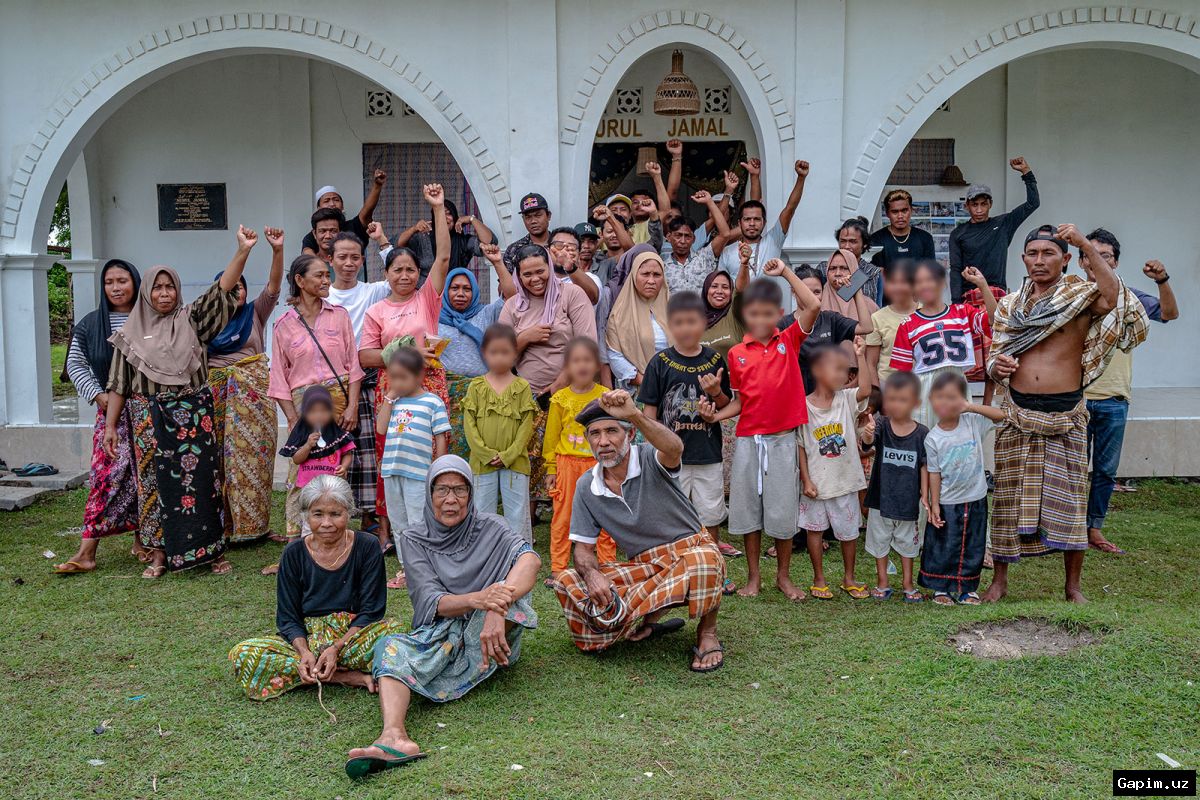
Key Takeaways: The Sasak submitted an official complaint to AIIB in late September over a co-financed tourism and infrastructure project on Lombok. As of mid-September, none of the 45 complaints listed on the bank’s website had been deemed admissible under its Project Complaints Mechanism, according to The Diplomat. AIIB says 12 complaints were resolved at project level and one through domestic courts, but critics say the process remains hard to access and insufficiently transparent.
AIIB finances major infrastructure across Asia and has a Project Complaints Mechanism allowing people adversely affected by bank-financed projects to file complaints under certain conditions. But access to the PPM is controversial. According to The Diplomat, none of the 45 complaints listed on AIIB’s website had been deemed admissible as of mid-September. The bank acknowledged no cases have passed the PPM’s eligibility assessment but stressed this is only part of the story. It said not every issue needs resolution through the mechanism and affected people should first try to resolve concerns directly with the project team at local level.
Critics see a major weakness in that approach. Arntraud Hartmann, a development economist at Johns Hopkins University’s SAIS Europe in Bologna, Italy, said the mechanism must be easily accessible. She argued that affected people are required to document potential violations of environmental and social standards from the start, asking how the affected party is supposed to know which standards might have been violated. AIIB disputes this, saying it has simplified the submission form, translated it into 12 languages and allows complaints online, by phone or email.
Urgewald, a German environmental NGO, cites another problem: for many AIIB-financed projects, information on environmental impacts and resettlements is missing or published late. For 2024, the NGO found that 11 of the 16 projects it examined lacked complete environmental and social impact assessments, and in many cases information on displaced residents was missing. Nora Sausmikat, a China expert at Urgewald, said information published on the bank’s website is often insufficient and inconsistent. Important documents such as environmental impact assessments or resettlement plans vary widely or are missing entirely, making it difficult for affected people to respond in time and report violations early, especially those without formal land titles.
The Sasak complaint now tests whether AIIB’s grievance system can deliver independent scrutiny. The bank has promised follow-up, but critics are calling for reforms and greater transparency. Whether the Lombok complaint will be accepted for review, and whether it leads to an independent investigation, remains pending. The case could intensify debate over infrastructure financing, land rights and environmental safeguards.
Source: www.dw.com