Household essentials are being redefined as technology becomes part of daily routines: where washing machines, mobile phones, and grocery delivery once signaled status or privilege, smart devices now shape expectations of comfort. The article examines technological FOMO—the fear of missing out—as a reaction to the gap between familiar habits and lifestyles made possible by AI, wearables, and connected home devices. It traces the concept from social-life anxiety to everyday comparisons, cites sociological research on changing norms, and uses an AI assistant as a practical example of observed use.
Key Takeaways: FOMO is defined as anxiety that others have meaningful experiences one misses; the article applies it to smart-home and AI habits; and it cites Andrew Przybylski, Elizabeth Shove, and Everett Rogers on norms and adoption.
Context and Background
FOMO gained prominence in the social-media era. In 2013, psychologist Andrew Przybylski and colleagues described it as anxiety arising because others receive meaningful experiences of which one is not part. The article extends that idea into daily life: seeing colleagues use AI at work, friends track health with wearables, or neighbors automate chores can gradually change habits. What attracts users is often the outcome, not the device—a robot vacuum suggests free weekends, a pet feeder suggests uninterrupted sleep, and a smart speaker suggests smoother daily organization. Technological FOMO reflects a perceived gap between an established routine and a newly accessible standard of living.
British sociologist Elizabeth Shove’s research on comfort, cleanliness, and convenience shows that social expectations change with technology. Voice-controlled lighting may first seem like entertainment for enthusiasts, but once habitual, manually using a switch can feel unnecessary. Norm shifts are gradual, and different behavior models coexist while some households adopt a new comfort level and others question its value. During these transitional periods, technological FOMO is especially visible. American sociologist Everett Rogers, author of diffusion-of-innovations theory, is cited for the importance of observing others’ results. Specifications alone may not reveal how naturally a device fits into life, whereas seeing it used in a familiar home setting can make its practical value clearer.
Outlook and Key Details
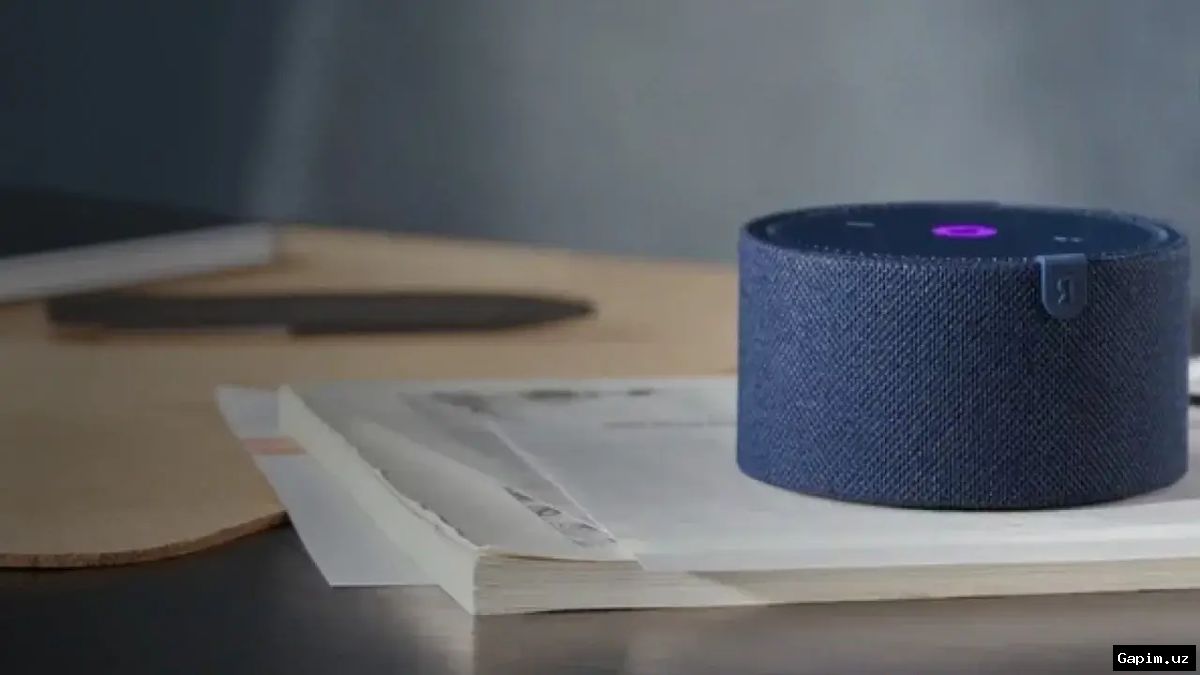
The article uses the AI assistant Alice as an example of how a smart speaker can move beyond audio playback into family routines. It can help users wake on time, check weather, play music, and assist in the kitchen with recipes, ingredient substitutions, baking times, and timers. Its functions also extend beyond classic household tasks: it can explain unfamiliar terms, share interesting facts, and help generate ideas for family leisure. Children may also turn to the assistant, although the source ends mid-sentence on that point, so the exact scope of child-oriented uses is not fully stated. The example shows why observed everyday use can be more persuasive than specifications or marketing.
Looking ahead, social observation may remain a stronger adoption driver than technical persuasion. As smart devices become part of ordinary domestic life, expectations around comfort and convenience are likely to keep shifting, and products that reduce small daily frictions may be reclassified from optional gadgets to baseline household tools. Unresolved questions include how households will balance convenience, privacy, cost, and habit formation. The piece offers no market data or forecasts, but its central argument is that technological FOMO is less about owning devices and more about participating in a changing social standard of everyday life.
Source: uznews.uz