In the Namangan, Kashkadarya, and Samarkand regions of Uzbekistan, joint operations by the State Security Service, the Department for Combating Economic Crimes, internal affairs agencies, and the Pharmaceutical Product Safety Center have uncovered significant instances of storage and sale of large batches of medicinal products without quality confirmation and in violation of legislation. These medicines were being held and distributed without the required certificates, posing a serious risk to public health due to potential safety issues.
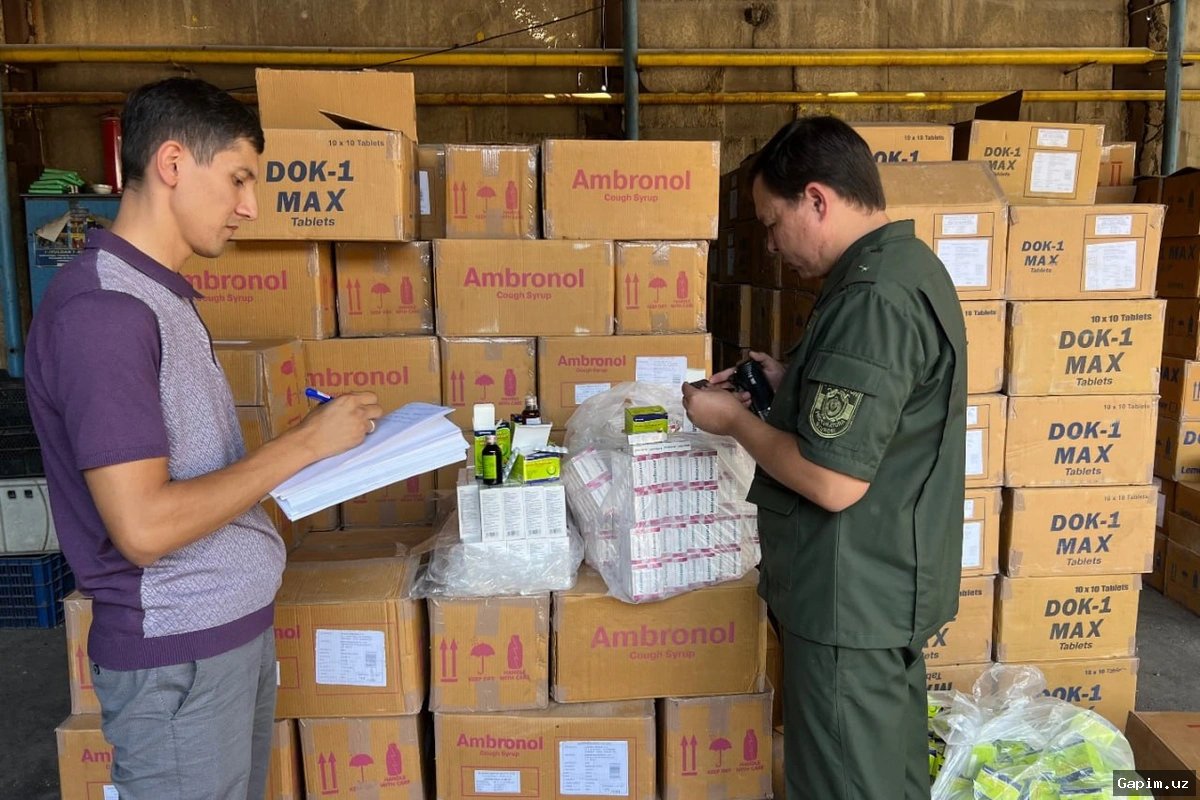
In Namangan region, three clandestine warehouses organized by local residents were discovered. They contained over 57,000 units of imported medicines across 723 types, lacking quality certificates, with some items having expired. This situation highlights vulnerabilities in pharmaceutical oversight that could lead to harmful consequences for consumers if substandard drugs enter the market.
In Kashkadarya region, a resident of Karshi, operating without a license, set up an illegal pharmacy in his home. Authorities seized more than 1,500 units of medications across 82 types, all missing necessary documentation. This case underscores ongoing challenges in regulating the pharmaceutical sector and the persistence of illicit activities that evade legal controls.
In Samarkand region, another incident was identified: a local resident rented warehouses to store over 14,000 units of medicines across 225 types, deemed unfit for use. Expert examinations have been ordered for all cases, and pre-investigation checks are underway, reflecting the authorities' response to these breaches. The operations signal efforts to clamp down on such violations, though they also point to systemic issues in enforcement.
Citizens are reminded to report similar violations via the short number 1520, with confidentiality guaranteed for informants. Previously, Uzbekistanis were urged to check reference prices for medicines in pharmacies, as part of broader initiatives to address pharmaceutical sector problems, though the effectiveness of such measures remains to be seen given the scale of illegal activities uncovered.
Source: podrobno.uz