Hoji Muin Shukrulla was born on March 19, 1883, in Samarkand. He began his education in an old school and madrasa, later engaging in teaching. In 1903, he opened a "usuli jadid" (new method) school in his neighborhood, and in 1914, he established a private educational institution named "Tarbiyat" in his home, showcasing his consistent efforts in the field of education.
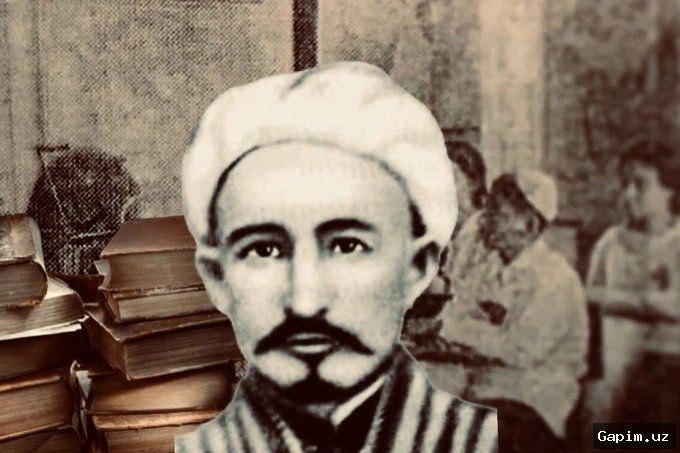
In 1908, he authored the textbook "Rahnamoi savod" in Persian, and subsequently, in collaboration with Ismatulla Rahmatullazoda, wrote the alphabet book "O‘qituvchi" (The Teacher) in Uzbek. He translated educational children's poems from Turkish into Persian and compiled them, along with his other poems, in the collection "Guldastai adabiyot". As a playwright, his works such as "To‘y" (Wedding), "Eski maktab-yangi maktab" (Old School-New School), "Mazluma xotin" (The Oppressed Woman), and "Ko‘knori" were published during his time, though many of his writings remained unpublished.
From 1907 to 1937, Hoji Muin published approximately 200 articles, 400 news items, and nearly 1,500 poems in Uzbek and Tajik across 23 different newspapers and journals. He actively contributed to Behbudiy's "Samarqand" newspaper and "Oyina" journal, as well as Fitrat's "Hurriyat" newspaper. In 1918, he launched the newspaper "Mehnatkashlar tovushi" (Voice of the Workers), and two years later, he started the journal "Tayoq" as a supplement. From 1922, he worked at the editorial office of the "Zarafshon" newspaper, and in 1924, he founded the "Mashrab" journal. Between 1932 and 1937, he was employed at the Uzbek State Publishing House and the military newspaper "Qizil yulduz" (Red Star).
In 1929, Hoji Muin was accused of anti-Soviet activities and exiled to Siberia. Although he returned to his homeland in 1932, in 1938, he was again charged with anti-Soviet propaganda and sentenced to 10 years in prison. He passed away in 1942 in Solikamsk, Perm Oblast, Russia. His life and creative output left a significant mark on Uzbek cultural history, albeit developed under challenging circumstances.
On the occasion of this date, Gazeta has prepared a test based on Hoji Muin's works, an initiative aimed at conveying his legacy to new generations. His life remains a symbol of the difficult eras faced by Uzbek intellectuals.
Source: www.gazeta.uz