Uzbekistan's cotton harvest for 2023 reached a historic high of 3.5 million tons, marking an 8% increase compared to the previous year. This outcome highlights the government's efforts to modernize agriculture and diversify the cotton sector, though experts raise concerns about the sustainability of this growth and its environmental impact, given the country's reliance on water-intensive farming practices.
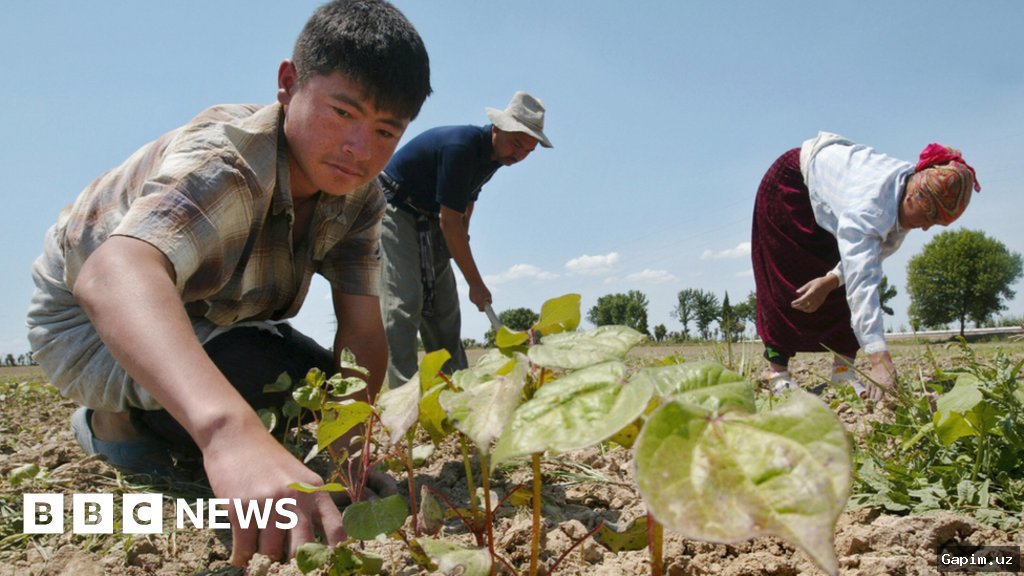
The regions of Samarkand, Fergana, and Bukhara led in cotton production, each contributing over 500,000 tons. Authorities attributed this success to "agricultural reforms and support for farmers," but analysts note persistent challenges, including water scarcity and volatility in global market prices, which could undermine long-term economic stability.
The cotton industry remains a cornerstone of Uzbekistan's economy, accounting for approximately 15% of export revenues. The government aims to enhance value addition through cotton processing and textile development, yet obstacles such as international competition and climate change pose significant risks to these ambitions, potentially limiting the sector's growth prospects.
Looking ahead, the administration has set targets to further boost cotton yields and improve water efficiency, but factors like climate variability and resource constraints may hinder these plans. While the record harvest contributes to economic expansion, achieving sustainable development will require more comprehensive strategies to address underlying social and environmental issues.
Source: uznews.uz