Major reconstruction work has commenced at the central Amir Temur Square in Tashkent, timed to coincide with the 690th anniversary of the ruler's birth. This key square in the capital covers an area of 6 hectares, with 4 hectares dedicated to green spaces. According to city administration data, additional trees and plants will be planted by April 8, alongside upgrades to the irrigation system and pedestrian pathways. Currently, 1 hectare of the square is paved with cobblestones, while another hectare is covered with asphalt.
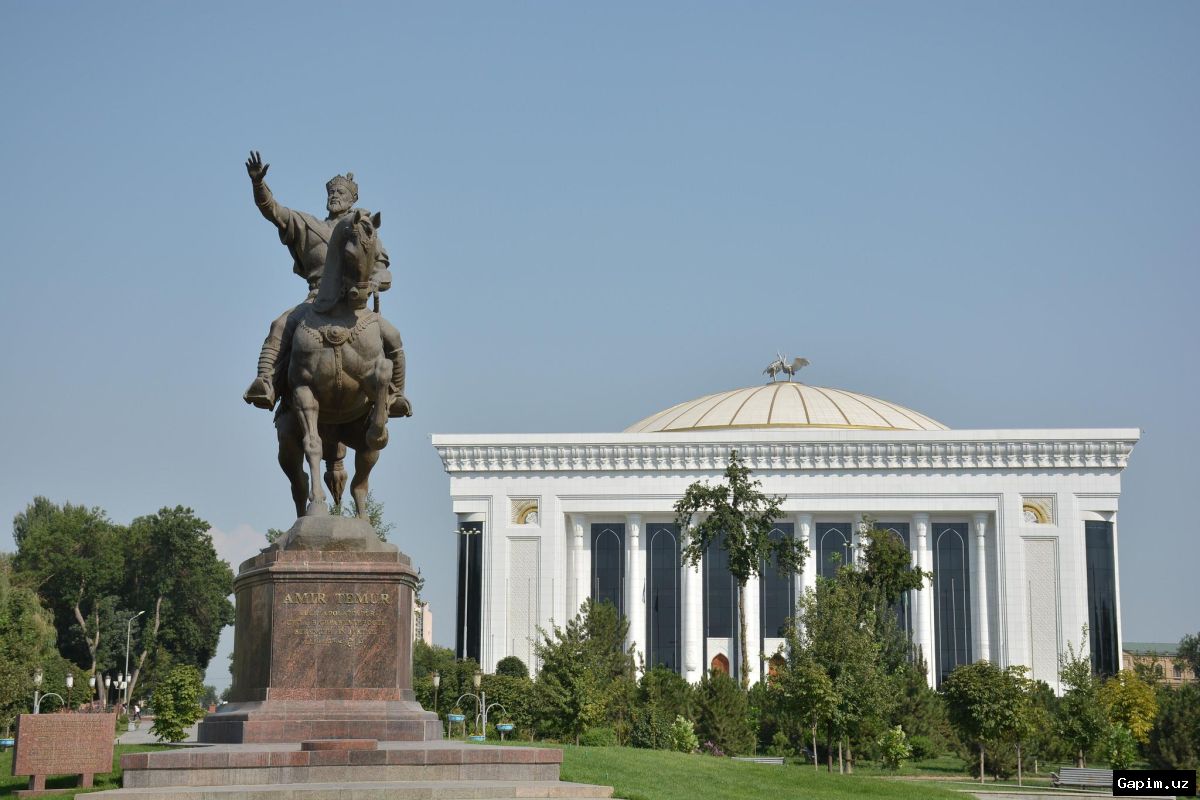
However, accessibility for pedestrians has remained a significant issue for 17 years. In 2010, convenient surface-level crosswalks were replaced with three underground passages, making street crossing difficult for many residents and visitors. Additionally, a pedestrian crossing along the square near the Tashkent Chimes on Amir Temur Street was eliminated, forcing pedestrians to detour over 200 meters. This situation highlights ongoing challenges in urban planning that prioritize vehicular traffic over pedestrian needs.
The square, considered the "zero kilometer" point from which seven streets radiate, is effectively "cut off" from nearby sidewalks by a wide roadway. Only three unregulated zebra crossings lead to this "island," with four underground passages available (one combined with a metro exit). Bus stops are located inconveniently far away. This car-centric design contradicts the square's recreational purpose and repeated official statements emphasizing pedestrian priority, raising questions about the consistency of urban development policies.
Experts emphasize that if authorities genuinely intend to return streets to pedestrians, the reconstruction must include convenient pedestrian crossings in locations suitable for walkers, not drivers. These should be equipped with traffic lights to eliminate crossing risks. The roadway could be narrowed by expanding sidewalks and green zones, which would also reduce asphalt heat and associated harmful emissions. In 2023, urbanist Iskandar Soliyev proposed a concept for the square's reconstruction, suggesting allocating half of the automotive ring road around the green area to pedestrians through phased implementation, such as trial street closures.
Ultimately, decisions discussed with specialists and citizens are likely to prove most beneficial and effective. Squares, parks, and streets exist not merely for occasional ceremonial events but as integral components of daily urban life, requiring thoughtful design that balances aesthetic, recreational, and practical needs for all residents.
Source: www.gazeta.uz