Representatives from Uzbekistan's Central Bank, Tax Committee, and Ministry of Justice detailed new cashless payment regulations set to take effect on April 1 during a public meeting in Tashkent. Officials stated that transactions involving real estate, vehicles, alcohol, tobacco, and any purchases exceeding 25 million Uzbek soums must be conducted exclusively through non-cash methods.
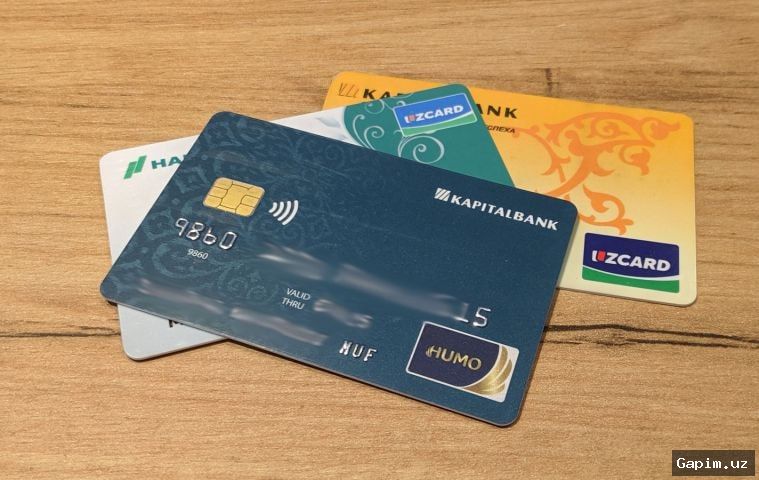
Authorities emphasized that the measures do not constitute a complete ban on cash but target market segments with high levels of shadow economy activity. As a success story, they cited Tashkent's public transport system, where cashless payments increased revenues by 16% to 644 billion soums and transaction volume grew by 36% to 692 million.
Deputy Chairman of the Tax Committee, Jahongir Abdiev, claimed that the government aims to reduce the shadow economy and increase the share of cashless payments to 75%. First Deputy Chairman of the Central Bank, Nodirbek Saydullayev, asserted that "money is not a form, but a value," adding that it does not matter whether funds are in cash or on a card.
A key innovation will be the mandatory use of escrow accounts for real estate and vehicle purchases, where funds are held in a special account until the transaction is legally finalized. Deputy Minister of Justice, Muzraf Ikramov, explained that this is intended to protect both buyers and sellers from fraud.
However, systemic loopholes in cashless adoption were acknowledged, particularly at major markets like "Urikzor" and "Ippodrom," where sellers allegedly demand direct card-to-card transfers despite having payment terminals. The Tax Committee confirmed receiving over 22,000 complaints in February alone regarding refusal to accept terminal payments.
Discussions also highlighted challenges such as weak digital infrastructure in rural areas, card top-up fees of up to 3%, and risks of excessive control with proposals to mandate payment purpose declarations. Officials admitted that overly restrictive measures could provoke a mass return to cash transactions among the population.
Source: podrobno.uz