Uzbekistan is introducing a new mechanism that abolishes customs duties on imported raw materials and components for finished goods production, with Value Added Tax (VAT) to be paid only when the finished product is sold. This initiative was officially announced on March 28 during a meeting with entrepreneurs from the food and confectionery industries.
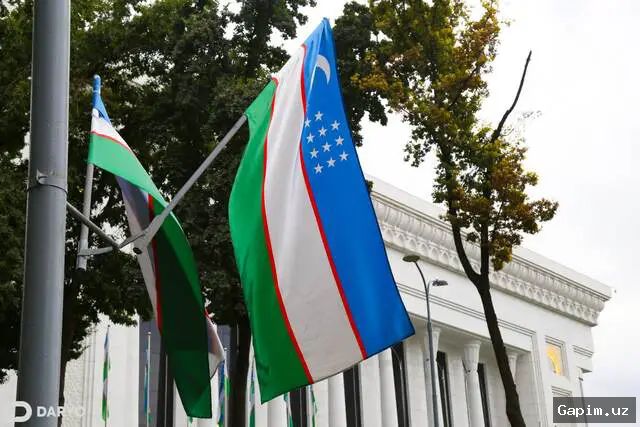
Deputy Prime Minister Jamshid Khojaev stated that the initiative was developed in response to appeals from numerous producers regarding tariff issues. He emphasized the need to address a systemic problem called “tariff inversion”: “For some goods, the duty rate for importing finished products is low or zero, but customs duty rates for importing raw materials and components used in producing these goods are high. As a result, local producers face increased costs and reduced ability to compete with imported products.”
Chocolate production was cited as an example. Analyses showed that due to duties on imported ingredients, the cost of locally produced chocolate is nearly 57,000 soums, while its imported counterpart enters the market at 50,000 soums. Consequently, 83% of demand is met by imports. A similar situation is observed with sugar—only 17% of demand is covered by domestic production.
The new mechanism is based on applying the “processing in the customs territory” regime (Regime 51) in accordance with Presidential Decree PF-250 of December 17, 2025. Under this regime, no duty is levied when raw materials are imported, and VAT payment occurs not at import but once when the finished product is sold to a buyer. A Customs Committee representative noted that the duty rate is determined based on the finished product: “If 0% is applied to the finished good, then 0% is applied here as well.”
According to expert calculations, this mechanism can reduce product costs by up to 18%. In the first stage, 15 types of products for which ingredients are not produced domestically or production is underdeveloped have been selected for the pilot. Customs Committee Chairman Akmalxo‘ja Mavlonov stressed that the regime will operate under strict digital control: “We can calculate how much sugar is in each chocolate bar. If raw materials are found to have been resold to third parties, the enterprise will lose the right to operate under this regime.”
In the near future, at least six more product categories are planned to be reviewed based on requests from business entities. In February, the President of Uzbekistan announced plans to create a system to encourage production of finished goods from local raw materials and form raw material reserves. In January, zero customs duty rates were established for 82 types of raw materials and semi-finished products.
Source: www.gazeta.uz