Under a presidential decree in Uzbekistan, state agencies will transition employees to remote work or adjust schedules when air pollution reaches hazardous levels. This measure aims to reduce urban strain and protect staff health, particularly during periods of intensified air quality issues in major cities like Tashkent, where pollution has become a growing concern.
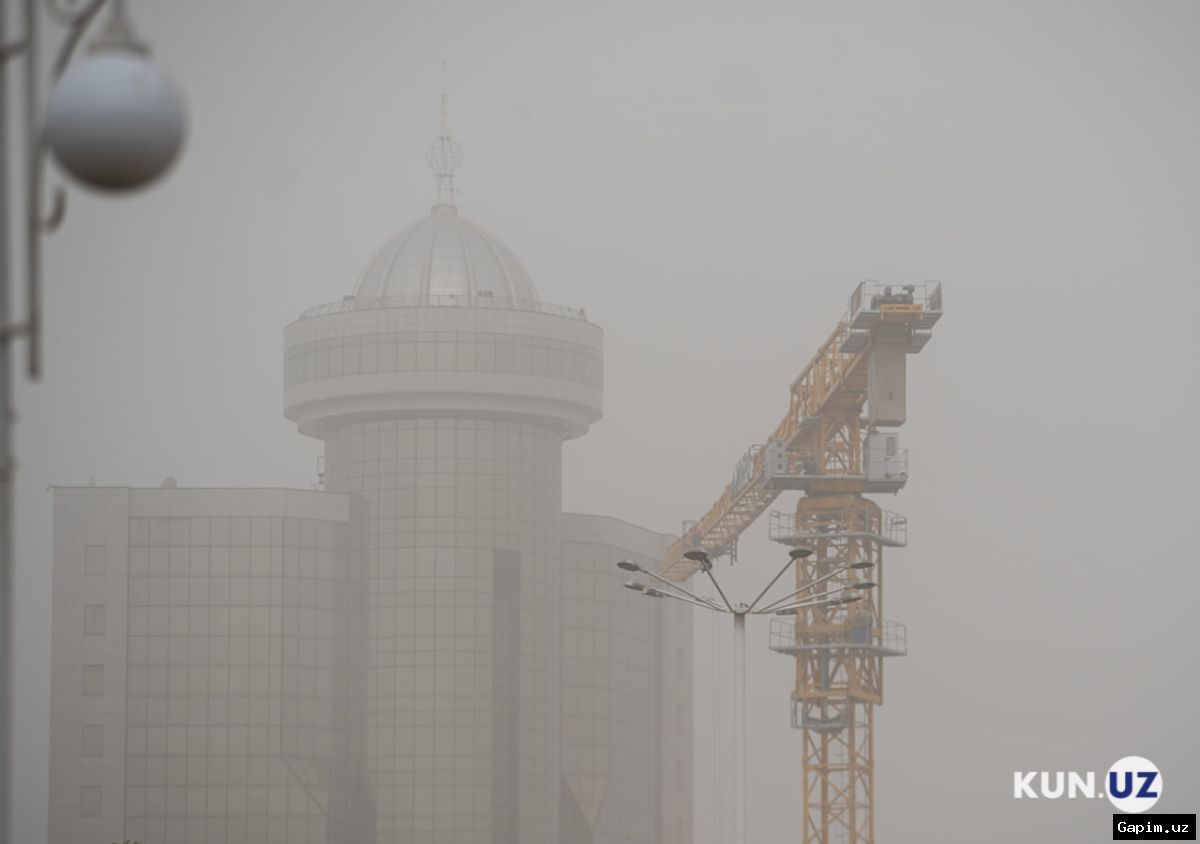
Concurrently, a rapid public alert system will be implemented. Authorities will develop a mechanism within a month to notify citizens via SMS broadcasts, media outlets, and digital platforms about deteriorating air quality and environmental risk levels, enabling real-time dissemination of warnings to enhance public awareness and safety.
Restrictions will also extend to the education sector: schools and kindergartens will cancel outdoor activities in favor of indoor formats during poor air conditions. Recommendations will be issued to limit outdoor exposure, especially for children, the elderly, and individuals with chronic illnesses, strengthening health protection measures amid environmental challenges.
Medical professionals will prepare special protocols for vulnerable population groups, effectively prescribing self-isolation until air quality indicators improve, providing an added layer of health safeguarding in response to pollution spikes.
Measures will target pollution sources as well: during environmental peaks, industry and energy sectors will adopt a mitigated operational mode—such as restricting fuel oil combustion or temporarily halting emissions at large enterprises. Construction activities will be limited, and road services will enhance dust suppression through watering and other technologies to curb particulate matter.
The entire suite of actions—from remote work to industrial restrictions—will be consolidated into a single regulatory document. This legislation, linking air quality metrics to mandatory measures for all government bodies, is slated for submission by December 30, 2026, as part of efforts to improve environmental governance and public health resilience in the country.
Source: podrobno.uz