The finalists of the Women's Asian Cup, Japan and Australia, have renewed their calls for equal prize money with the men's tournament, directly challenging the Asian Football Confederation (AFC) and accusing the governing body of "ignoring" previous requests. In a joint statement released by the global players' union FIFPRO, the teams highlighted that despite the tournament's success, it remains the lowest-paying continental competition globally, with persistent inequality between men's and women's football.
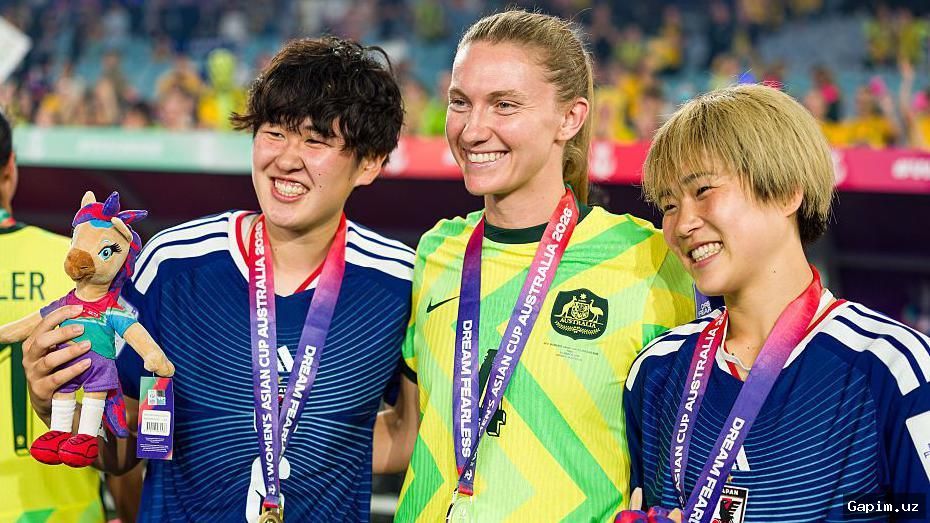
The tournament concluded on March 21 in Sydney with Japan defeating hosts Australia 1-0 in front of over 74,000 fans, the largest crowd in the competition's history. However, the event was marred by off-field issues: seven members of the Iran squad sought asylum after being labeled "traitors" at home for refusing to sing the national anthem, while India's players faced ill-fitting kits, and South Korea's team threatened a boycott over poor treatment compared to their male counterparts.
The prize fund for the Women's Asian Cup was reported at $1.8 million, unchanged from 2022, compared to $14.8 million for the men's equivalent. A FIFPRO report in February suggested the women's tournament could generate up to $82.4 million in revenue. The teams argued that equal prize money would be "transformational" for players and football communities across Asia, helping to raise standards at all levels of the game.
In a related development, Japan abruptly dismissed coach Nils Nielsen just 12 days after he led them to Asian Cup glory, with football officials criticizing him as "lax" and "lacking passion." The Japan Football Association (JFA) stated that Nielsen's contract expired after the tournament and the board decided not to offer a new one, appointing Michihisa Kano as interim coach for upcoming friendlies. JFA officials indicated that the next permanent coach would likely be Japanese, citing the need for a more rigorous approach to win major international titles like the World Cup.
Source: www.aljazeera.com