Artificial intelligence (AI) is driving disruptive changes across multiple industries, and commercial real estate is now experiencing what analysts term a "paradigm shift." AI poses a significant threat by potentially automating traditional roles such as brokers and investment advisors, fundamentally reshaping the sector's landscape and raising concerns about job displacement and business model sustainability.
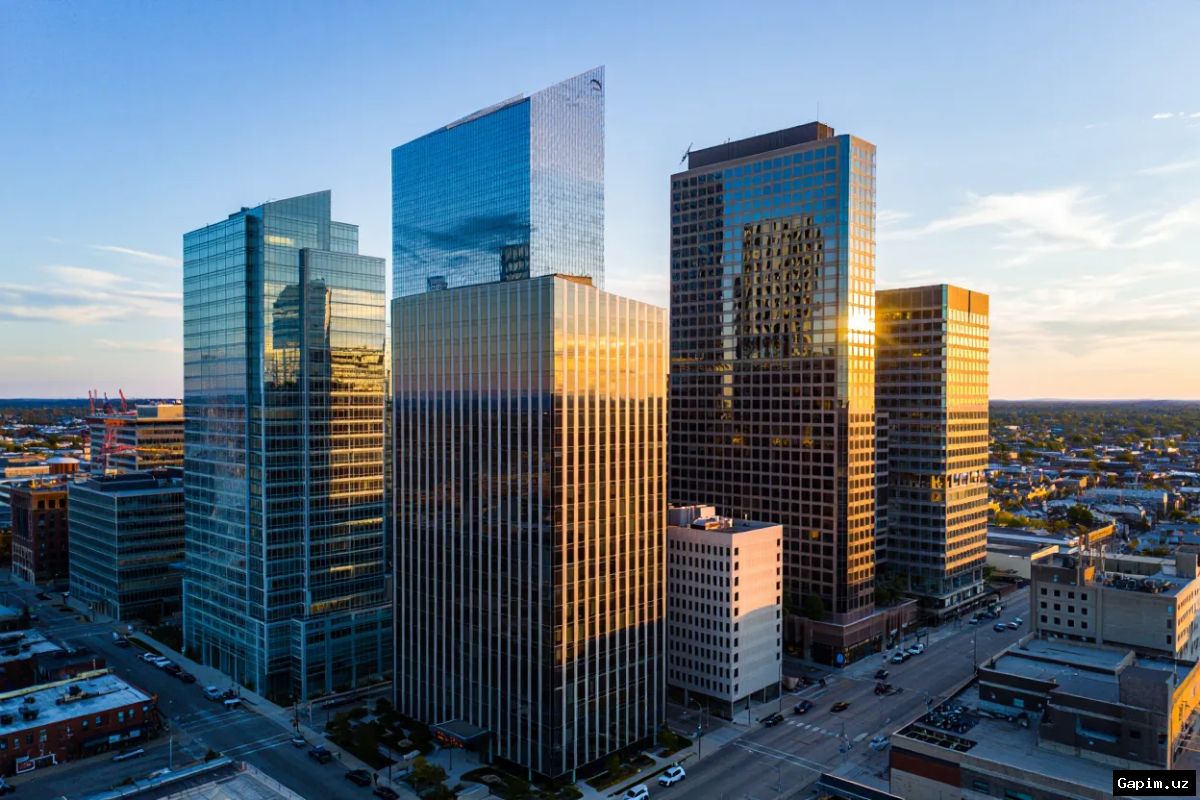
Last month, stocks of major commercial real estate service firms, including CBRE, Jones Lang LaSalle, and Cushman & Wakefield, plummeted in a sell-off, erasing billions in market value. According to Joe Dickstein, an equity research analyst at Jefferies, the panic stems not from AI reducing demand for office space but from the fear that AI models could replace human advisors, undermining the durability of advisory businesses in this knowledge-intensive sector.
Francis Huang, founder of Apers AI, highlights that their specialized AI system automates over 90% of investment decisions in institutional and commercial real estate, drastically cutting the time and labor previously required from brokers. He views this not as a "replacement" but as an "upgrade" that allocates capital more efficiently, though it intensifies pressure on traditional service providers to adapt or risk obsolescence.
However, Yuehan Wang, global research director for real estate technologies at Jones Lang LaSalle, argues that AI presents both threats and opportunities. The primary risk for companies lies not in AI itself but in failing to adopt and leverage its benefits. Investors are increasingly using AI as a competitive weapon for market trend analysis, risk modeling, and portfolio optimization, which could exacerbate inequalities between early adopters and laggards.
AI's impact extends beyond investment decisions: it is fueling a data center construction boom due to surging demand for computing power and driving office leasing by tech firms. For instance, in the US, technology companies accounted for about 20% of office leasing in the first half of 2025, up from 10% in 2022, helping reverse vacancy trends in cities like New York and San Francisco, though this growth may be uneven and dependent on volatile tech sector dynamics.
Many industry insiders caution that while a paradigm shift is underway, commercial real estate will likely remain a relationship-driven sector. Dickstein asserts that panic is unjustified, as firms possess proprietary data inaccessible to AI entrants and interpersonal business elements are expected to persist. Wang adds that the full scope of "paradigm-level change" will only become apparent by 2030 and beyond, after extensive workflow redesign and business model disruption, suggesting a prolonged period of uncertainty and adjustment for the industry.
Source: www.dw.com