The Central Bank of Uzbekistan has published the results of its analysis of the real estate market for the fourth quarter of 2025. The sector showed notable revitalization: the number of housing purchase and sale transactions increased by a quarter compared to the previous year, while prices in dollar terms rose by 5–8% in both primary and secondary markets.
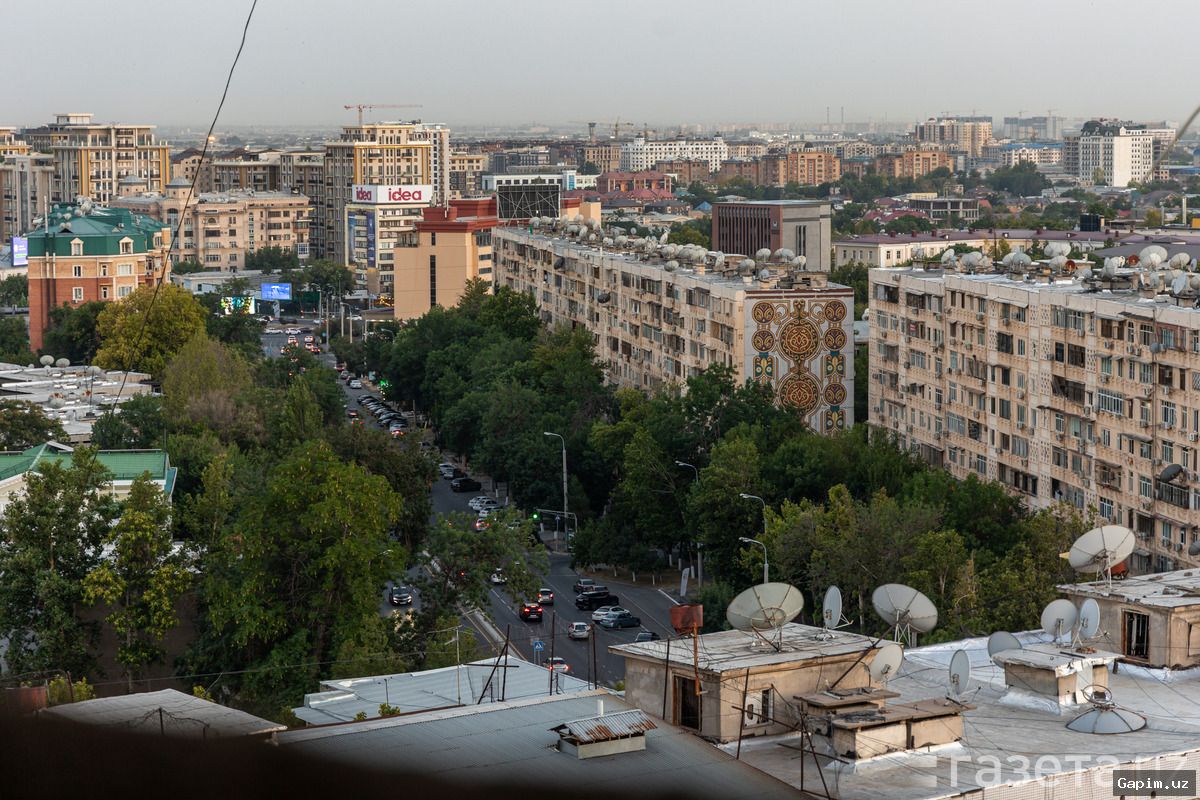
Nearly 90,000 transactions were registered over three months, with over 319,000 for the entire year. The volume of mortgage loans reached 21.2 trillion soums, accounting for about 22% of transactions. Almost 16 million square meters of housing were put into operation, with particularly active construction in Khorezm, Surkhandarya, and Fergana regions.
Prices in the primary market increased in dollars but slightly decreased in soums due to the strengthening of the national currency. Growth was more pronounced in the secondary market. It is noted that in Tashkent, the average cost of land plots decreased by 9%, linked to increased supply on the outskirts of the capital.
A hedonic model was applied for the analysis, considering district, house type, number of floors, and renovation condition. For example, apartments in the Mirabad district of the capital are a quarter more expensive than in the Almazar district, while housing in Bektemir is cheaper.
The characteristics of the properties themselves significantly influence housing costs. Apartments in brick buildings are valued several percent higher than in panel buildings, and monolithic housing also shows price growth relative to panel housing. In 2024, apartments with new renovations sold for 7–8% more compared to housing with average renovations.
Parameters such as area and number of floors directly affect housing prices. With an increase in area per unit, the price decreases by approximately 0.1%, and each additional floor reduces the cost by 0.2% to 0.9%. Apartments on the first and last floors are traditionally cheaper than those on middle levels.
All this confirms that the market is shaped by both territorial and qualitative factors. Price increases in certain districts and changes in segments show how demand and buyer preferences are evolving.
It is recalled that from April 1, the real estate market in Uzbekistan transitioned to new rules. According to a presidential decree, housing purchase and sale transactions must now be conducted exclusively in non-cash form.
Source: podrobno.uz