In Uzbekistan, restrictions banning cash payments for fuel and certain everyday goods came into effect on April 1. The impact of these changes on the economy and society was discussed by Kun.uz correspondent with Behzod Hoshimov, a professor at New York University Abu Dhabi. Professor Hoshimov highlighted that the new rules impose additional time and cost burdens on millions of citizens, who are forced to deposit cash at ATMs to top up cards—a practice he describes as rare and fee-charging in global contexts.
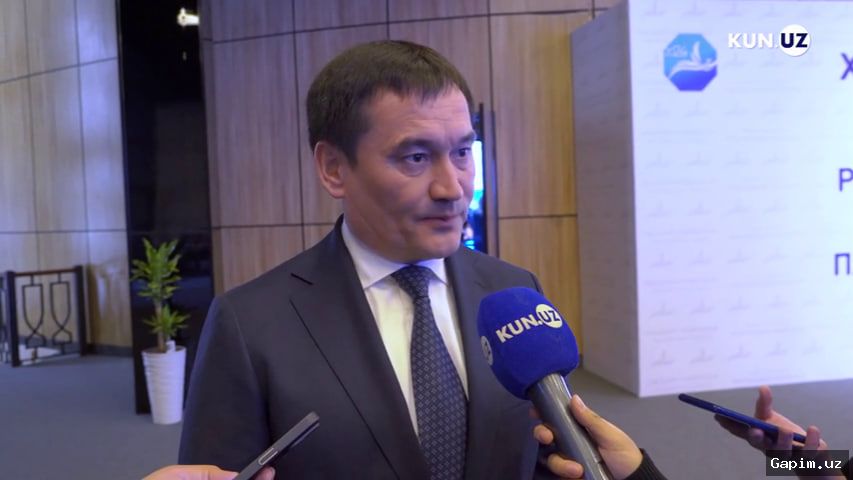
Hoshimov poses a critical question: "What do we get in return for these losses?" He argues that if the benefits of regulations outweighed the costs, it would be understandable, but in this case, the economic damage from restricting cash payments is clear, while the advantages remain ambiguous. The professor notes that the state cannot force banks to set zero fees, but the logic behind limiting people's options, especially for daily necessities, is difficult to comprehend.
Analyzing the persistence of cash usage, Hoshimov points out that nearly 70% of Uzbekistan's workforce earns informal income, and the country heavily relies on remittances from abroad ($19 billion in 2025), which primarily arrive in cash. He asserts that if people had formal incomes, they would voluntarily use cashless payments, but millions live differently. "Officials often think: 'Everyone lives like us—salary on a card, what's inconvenient?' but even in developed countries, there are many cash transactions, and they don't force a cashless shift," says the professor.
Hoshimov characterizes the policy as "out of sight, out of mind": if the goal is to reduce the shadow economy, it merely ignores its existence. He uses an analogy: "If you sweep garbage under the rug, it's not visible, but the garbage doesn't disappear; it decomposes under the rug." According to him, restricting cash payments for fuel creates an illusion of solving the problem but does not compel informal workers to pay taxes. Additionally, it removes one tool for measuring the shadow economy.
Source: kun.uz