A naturally occurring molecule discovered using artificial intelligence, named BRP (brain-regulating peptide), appears to act directly on the brain's appetite center in the hypothalamus. Scientists believe it could lead to more refined obesity treatments with fewer side effects.
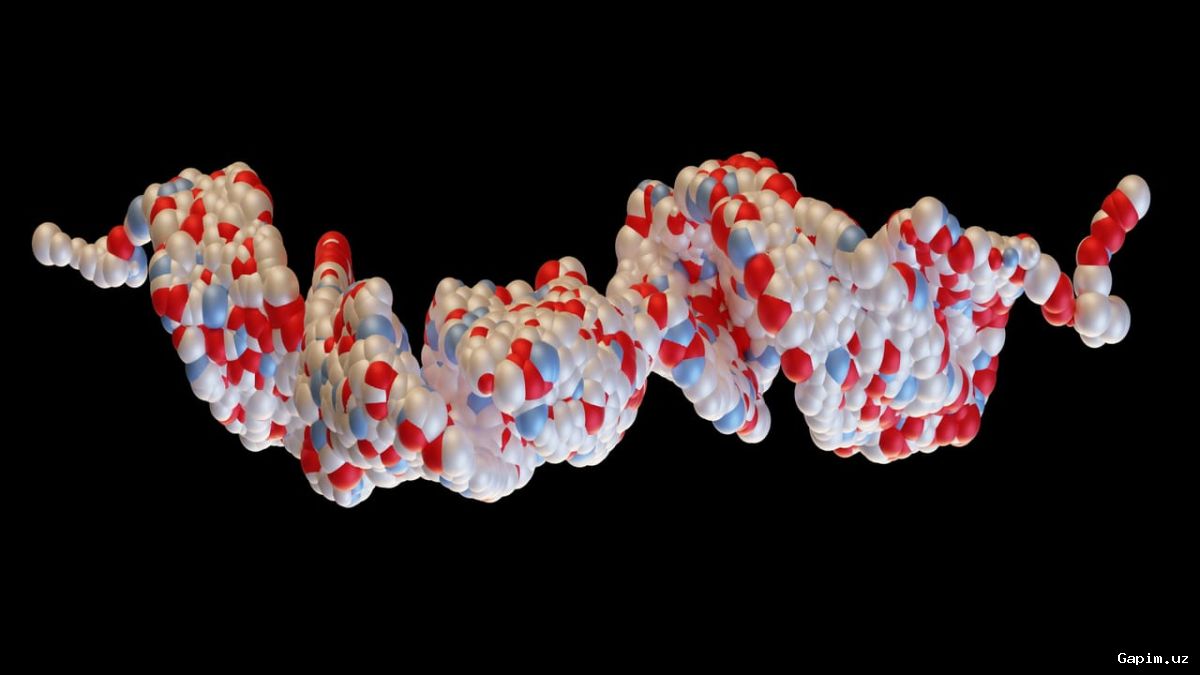
Current weight-loss injections like Ozempic, Wegovy, and Mounjaro mimic the hormone GLP-1 and suppress appetite effectively, but are linked to side effects such as nausea, vomiting, diarrhea, and abdominal pain. BRP, by targeting only the hypothalamus, may avoid these issues.
Professor Giles Yeo of the UK Medical Research Council's Metabolic Diseases Unit told DW: "Ozempic and similar drugs primarily affect the hindbrain, generating feelings of fullness but also nausea. BRP, however, targets only the hypothalamus, which could reduce side effects."
The Stanford Medicine team developed an AI tool called Peptide Predictor, which scanned approximately 20,000 human genes and identified 2,683 potential hormone-like peptides. About 100 were tested, and BRP emerged as the most promising. Obese mice given daily injections lost weight, while untreated mice gained weight.
Professor Randy J. Seeley of the University of Michigan commented: "The sheer audacity to sort through such a huge number of peptides is truly breathtaking. I am in awe of the work." However, he cautioned that success in animal trials does not guarantee human efficacy.
Senior author Katrin Svensson has co-founded a company planning to begin human clinical trials soon. Another advantage of BRP is that in animal tests, it reduced fat but preserved muscle mass—a common issue with GLP-1 drugs.
Professor Yeo added: "There are a billion people in the world with obesity, and more people die of obesity now than of famine. The more tools we have to treat obesity, the better."
Source: www.dw.com