Tashkent, Uzbekistan – Podrobno.uz. The Center for Islamic Civilization has presented rare monuments ranging from Buddhist art to the Timurid era, returned to Uzbekistan as a result of an international operation against illicit trafficking of cultural property.
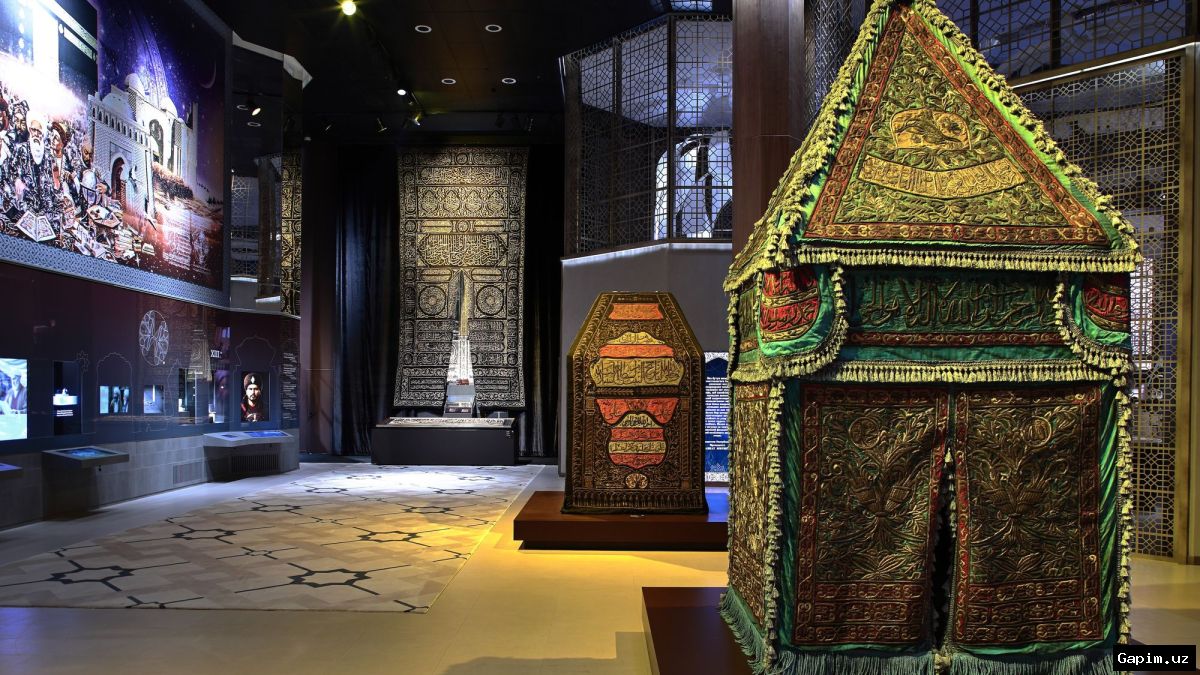
The exhibits were discovered during the international Operation Inherent Vice, conducted with the participation of the OSCE, the Heritage Crime Task Force, the Metropolitan Police Art and Antiques Unit, the Art Loss Register, and with the support of the Center for Islamic Civilization and the World Society for the Study, Preservation and Popularization of the Cultural Heritage of Uzbekistan.
The collection spans over a thousand years of the region's history and reflects the diversity of Central Asian cultural traditions — from Buddhist and Sogdian to Islamic.
Among the items on display are sculptural heads and busts from the Kushan period, fragments of stucco work, and rare examples of monumental painting from the 2nd–8th centuries from the archaeological complexes of Fayaz-Tepe and Kara-Tepe.
Particular interest was aroused by fragments of wall paintings with Buddhist themes, as well as terracotta and stucco sculptures reflecting the influence of Gandharan artistic traditions and early Buddhist art of the region.
A special place was occupied by a unique stone cenotaph from the 15th century Timurid era, decorated with complex epigraphy, ornaments, and poetic texts.
Earlier, unique archaeological finds from the 2nd–7th centuries were returned to Uzbekistan from Europe. They had been illegally taken out of the country and discovered during a large-scale international investigation. Nine priceless artifacts, including heads of ancient statues and fragments of plaster frescoes, will soon join the exhibition of the Center for Islamic Civilization in Tashkent.
Source: podrobno.uz