Tashkent, Uzbekistan – Podrobno.uz. Specialists from the Center for Hydrometeorological Service (Uzhydromet) have attributed the increasing frequency of spring downpours and hail to global climate change. To minimize damage in the agricultural sector, the agency's specialized units employ technologies for active influence on meteorological processes, reducing the intensity of precipitation.
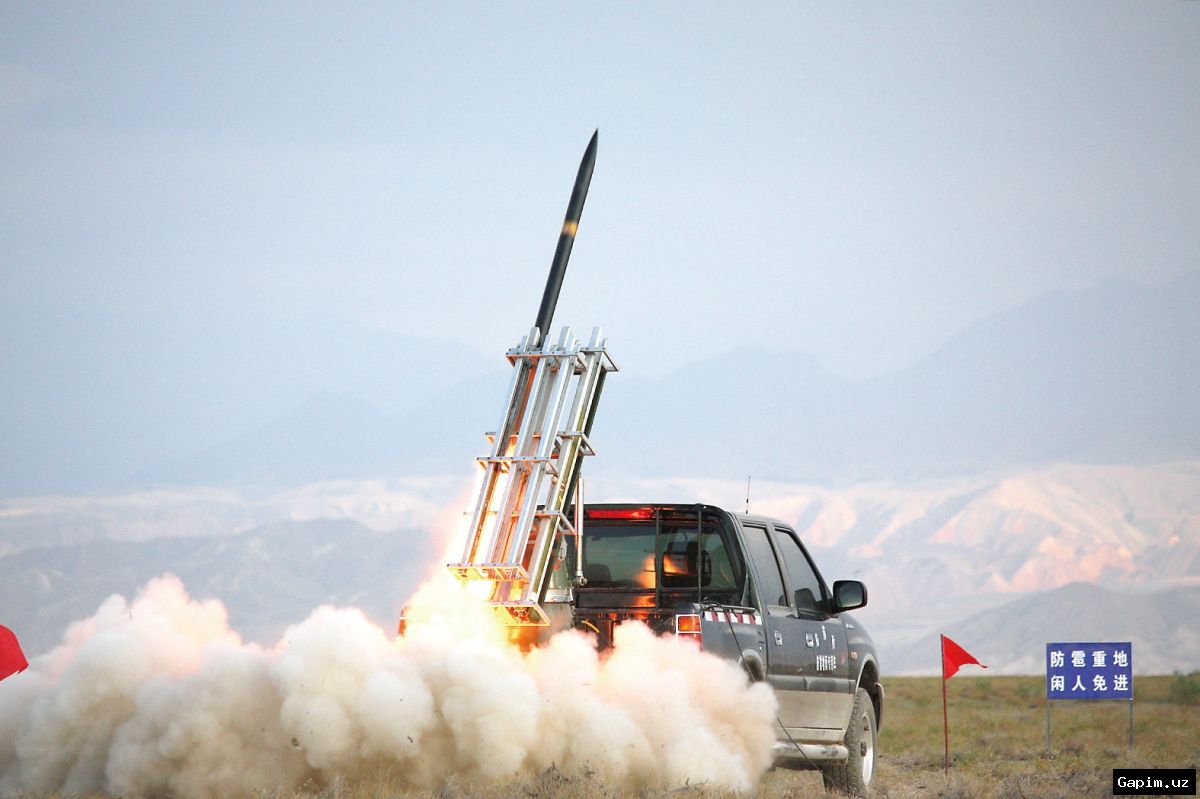
In early May, anti-hail measures were carried out in the Kasansay and Yangikurgan districts of Namangan region. During the operations, specialists used 57 charges of Alazan-6 rockets to affect clouds, which reduced the size of forming hail and mitigated its destructive power. The agency emphasizes that these technologies do not completely prevent precipitation but significantly decrease its density and volume.
According to Uzhydromet's analysis, the frequency of hail events in the republic is unstable and varies noticeably from year to year. Over the past three years, the dynamics of hazardous meteorological phenomena were as follows: in 2023, 24 days with hail processes were recorded; in 2024, this figure rose to 40 days; and in 2025, it dropped to 13 days.
Currently, specialized teams of the Service for Influence on Hydrometeorological Processes operate on a regular basis in regions with the highest hail activity: Namangan, Samarkand, Kashkadarya, and Surkhandarya regions.
The need for constant monitoring is confirmed by recent climatic incidents in Kashkadarya, where large hail fell locally, completely covering the ground. Specialists remind that due to climate change, the likelihood of short-term heavy precipitation in spring remains high, and therefore protective measures on key agricultural lands will continue.
Source: podrobno.uz