According to an expert, the strategic competition between the US and China persists despite external constructive dialogue and will intensify over time. This primarily concerns tariff wars.
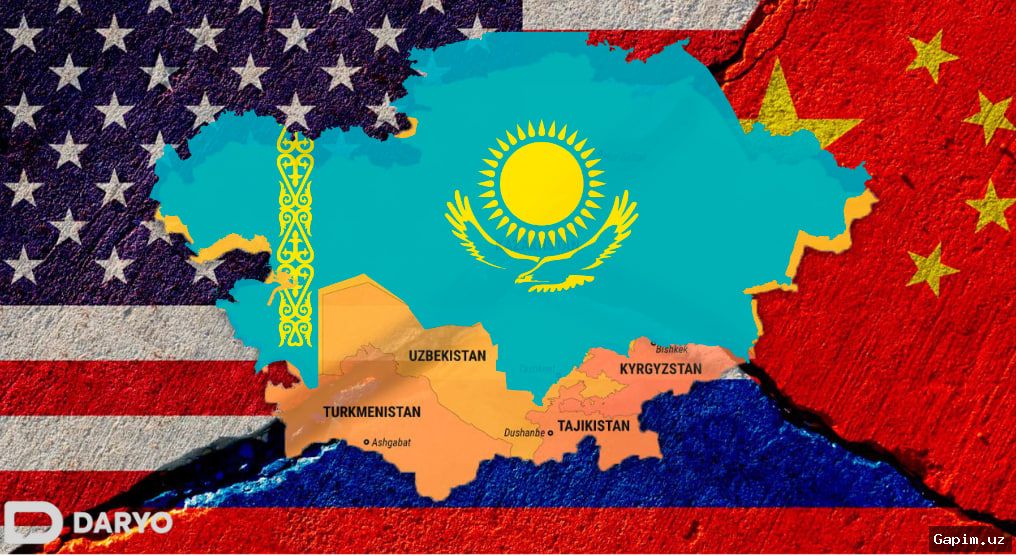
Although the meeting of US and Chinese leaders concluded in a constructive spirit, systemic contradictions between the parties mean that restrictions in trade or technology could tighten in the future.
The escalation of US-China relations could significantly affect Central Asia. The region's states risk being drawn into geopolitical confrontation. They will also feel economic pressure due to changes in global supply chains, logistics routes, and investment flows.
Competition for critical minerals, trade markets, and infrastructure projects could create additional tension around the region's countries. However, the expert believes this could create not only risks but also additional opportunities for Central Asia.
In the context of competition between major players, the region's states have more opportunities to diversify foreign economic ties and promote their own interests. Competition for transport corridors, critical minerals, technologies, and influence in the region could strengthen the position of Central Asian states and create conditions for attracting investment.
The expert notes that competition between the US and China in Central Asia is already underway, but mostly in a latent and cautious form. The parties are already competing in investments, logistics projects, energy, and critical minerals.
Beijing and Washington are closely monitoring each other's activities in the region. US attempts to reduce dependence on China in supply chains and access to resources inevitably increase US interest in Central Asia. In the medium term, more open competition cannot be ruled out, primarily in economic, technological, and infrastructure areas.
So far, Central Asian states have managed to maintain a balance and avoid the need to choose between the US and China. However, as global competition intensifies, indirect pressure on issues of technology, sanctions regimes, digital infrastructure, and strategic projects cannot be ruled out.
The most rational strategy for Central Asian states remains a pragmatic multi-vector policy based on a balance of interests and diversification of external ties. It is important for the region to develop cooperation with both Washington and Beijing, primarily based on its own national interests, and to avoid excessive dependence on any one center of power.
At the same time, strengthening intra-regional coordination is crucial so that Central Asia acts not as an object of external competition but as an independent subject of international politics.
Source: www.gazeta.uz