TASHKENT, Uzbekistan – Podrobno.uz. Senator Qudratilla Rafiqov has published an article sharply analyzing the early period of Uzbekistan's independence, with the state emblem at the center of his critique. He directly labels it a symbol of 'political anxiety' and 'inner insecurity' from the 1990s.
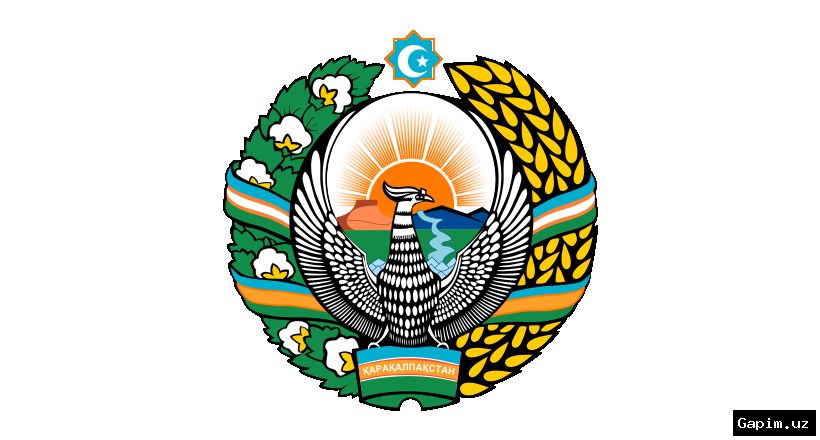
Rafiqov argues that the first 25 years of sovereignty were marked by 'dependent freedom' and the motto 'Do not destroy the old house without building a new one.' In his view, this mindset hindered the nation's true self-determination, even reflected in state symbols.
The senator focuses on the emblem's elements—cotton and wheat: 'For example, after independence, our emblem retained cotton and wheat wrapped in a ribbon as a sign of special pride. But why exactly these? As the president has repeatedly emphasized, cotton revenues in those years did not even reach one billion dollars. Should these agricultural crops define our social and spiritual identity?'
Rafiqov asserts that preserving these agrarian symbols after 1991 indicates that ideologically the country 'remained with one foot in the ruins of the old system.' He attributes this choice to 'fear, political anxiety, and inner insecurity' of the time, characterizing it as an 'escape from freedom,' drawing on Erich Fromm's philosophy.
The senator concludes that these reflections are necessary to see the shift in the country's image, where three distinct visions emerge: 'Soviet Uzbekistan,' 'Post-communist Uzbekistan,' and 'New Uzbekistan.' He identifies a disconnect between the nation's 'genetic code' and the symbolism formed during an era of fear of freedom's responsibility.
Source: podrobno.uz