Archaeologists in Uzbekistan have unearthed a unique find: the skull of a Bronze Age child, approximately 4,000 years old, bearing clear signs of trepanation. Researchers claim this is the oldest evidence of surgical intervention in Central Asia and one of the earliest in Asia.
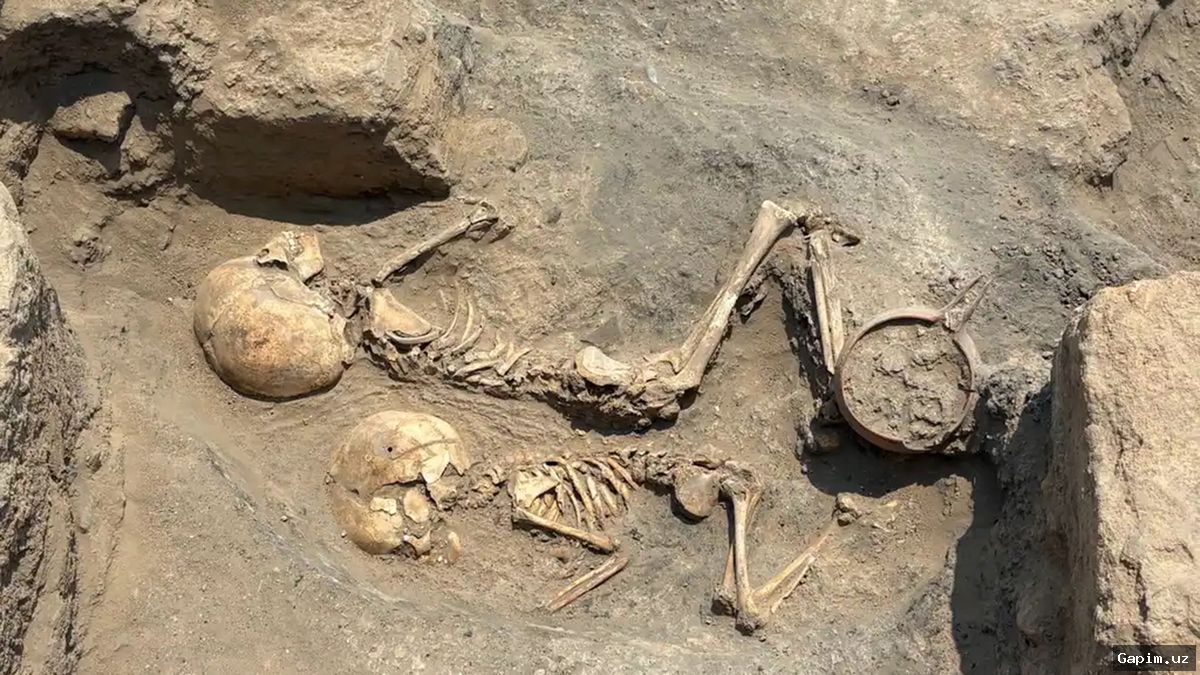
The skeleton of a child who died at around five years of age was found in a single grave alongside the remains of another child aged about three. The skull shows distinct marks of trepanation, a surgical procedure where a hole is drilled into the bone.
According to experts, the operation was performed using stone or bone tools. In ancient times, such interventions might have been attempts to treat epilepsy, migraines, or mental disorders, but could also have had ritual significance.
The discovery was made by an international team of scientists from Italy and Uzbekistan at the Jarkutan archaeological complex in the south of the country, near the border with Afghanistan. Excavations indicate the burial dates to the end of the 3rd millennium BCE.
During that period, Jarkutan was one of the urban centers of the Oxus civilization, also known as the Bactria–Margiana Archaeological Complex, which existed from around 2500 to 1500 BCE. This culture was characterized by advanced agriculture and rich material heritage.
Researchers note that while evidence of trepanation is known from various regions worldwide, performing such an operation on a young child is extremely rare and unexpected.
Excavation director, archaeologist Enrico Ascalone, stated that the find raises new questions: who in ancient society could perform such operations, what knowledge did they possess, and why was the intervention carried out on a five-year-old child. Scientists hope to find answers through further research.
Source: podrobno.uz