As water resources in Central Asia dwindle and demand continues to rise, the region's water scarcity level has reached nearly 70%, according to FAO data — about four times the global average of 12%. This means countries in the region use approximately 70% of their available renewable water resources each year.
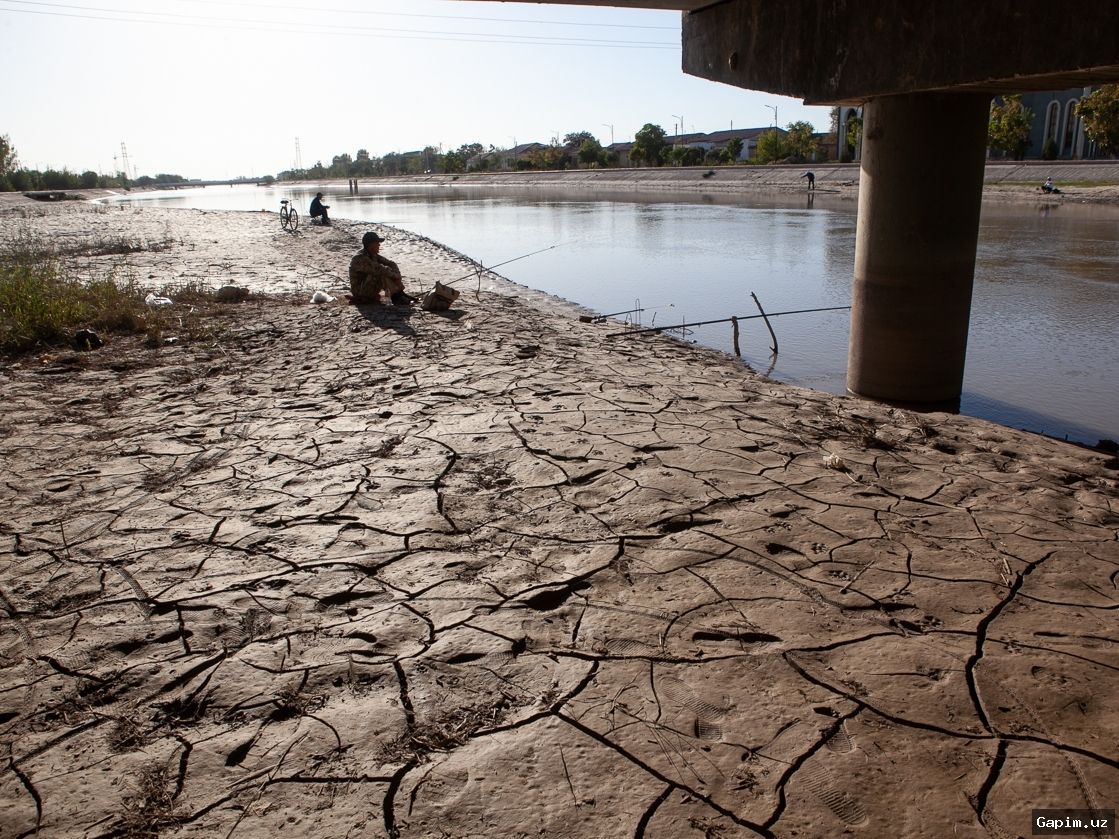
At a panel session of the Tashkent International Investment Forum titled “Water-Energy-Food Nexus: Climate Resilience and Agricultural Investments,” experts discussed the economic and environmental impacts of the water crisis. Igor Alekseyev, Managing Director and Partner at Boston Consulting Group, stated that over the next 10-20 years, total water demand in Central Asia will increase by 23% due to population and economic growth. By 2040, water needs in industry are expected to rise by 150%, in the municipal sector by 60%, and in agriculture by 15%.
Ahmad Razo, Senior Policy Expert at FAO, noted that glacier area in the region has shrunk by about 30% over the past 50 years, directly affecting water supply. However, the problem is not solely climate change: inefficient irrigation systems, soil salinization, and land degradation cover nearly 80% of Uzbekistan's territory, causing economic damage equivalent to about 5% of GDP.
Nuriddin Kushnazarov, Advisor to the Ministry of Agriculture, reported that the agri-food sector accounts for 19% of GDP and 27% of employment, while agriculture consumes about 90% of the country's water resources. By 2050, agricultural production could decline by 20%, although the government aims to increase output from $40 billion in 2025 to $60 billion.
Dr. Shihab Elborai, Partner at Strategy& (PwC), highlighted that each cubic meter of water in Uzbekistan generates only $2.9 of GDP, compared to the global average of about $23. Inefficient water use represents about $5 billion in lost economic opportunities for the region, while modernizing water and agricultural infrastructure requires approximately $40 billion in investment.
Experts agreed that solving the water crisis requires cooperation between governments, the scientific community, the private sector, and financial institutions, as well as establishing the real economic value of water. However, the issue of raising tariffs remains contentious due to the difficult situation of farmers.
Source: www.gazeta.uz