According to the World Gold Council (WGC), the Central Bank of Uzbekistan sold 1 ton of gold in April, but net purchases since the beginning of the year total 24 tons, placing the country second among net buyers after Poland. This highlights Uzbekistan's active role in the global gold market.
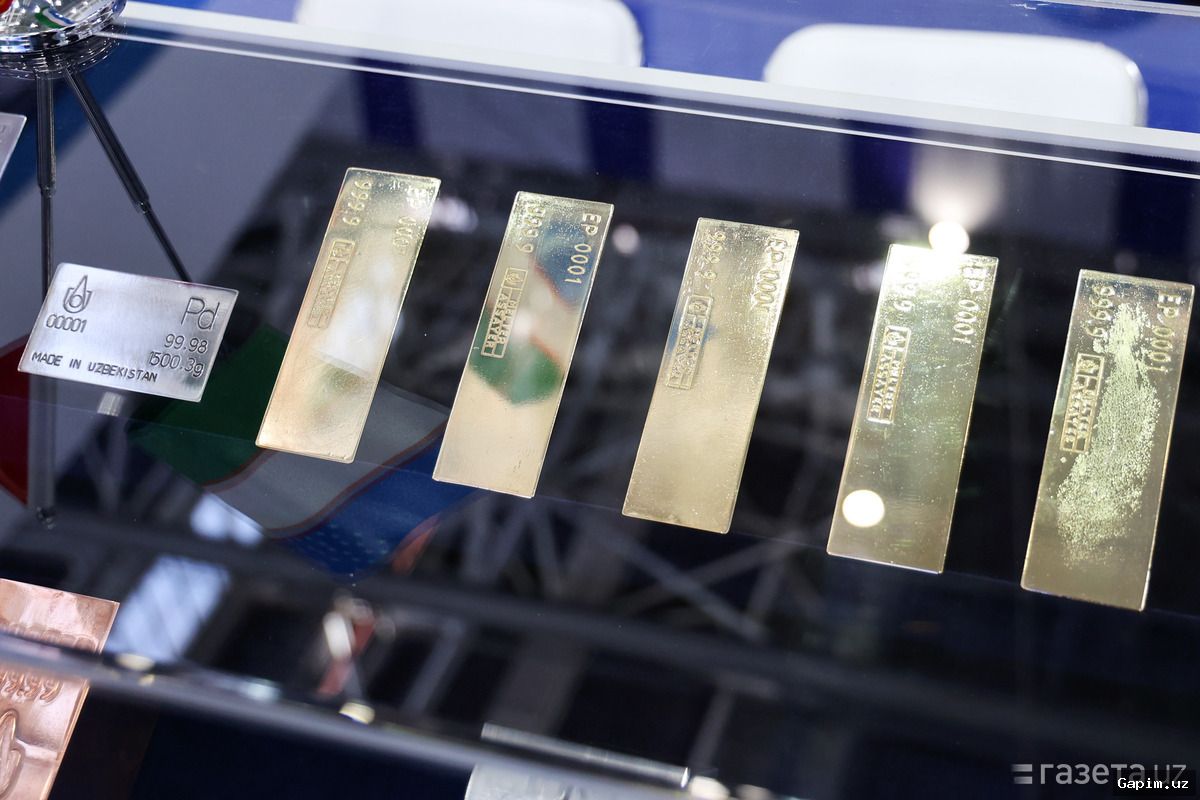
In March, central banks recorded net sales of 30 tons, but in April the trend reversed with net purchases of 19 tons. Uzbekistan's gold reserves currently stand at approximately 414 tons, accounting for 88% of the country's total reserves.
The National Bank of Poland added 14 tons in April, bringing its reserves to 595 tons (30% of total reserves), with year-to-date purchases reaching 45 tons. The People's Bank of China increased its holdings by 8 tons to 2,322 tons (9% of reserves), continuing its 18-month buying streak. The Czech National Bank made a modest purchase of 3 tons, while the Central Bank of Russia sold 6 tons, extending its net selling streak to four months.
In May, Uzbekistan's gold and foreign exchange reserves decreased by $307.3 million to $70.58 billion. The decline in gold value was attributed to a price drop from $4,625.80 to $4,516.85 per ounce. However, the physical volume of gold increased by 0.3 million troy ounces to 13.6 million.
In April, Uzbekistan exported gold worth $1.5 billion, the first export since September of the previous year. The resumption of exports followed a recovery in global gold prices after a March decline, with prices reaching approximately $4,625 per ounce by the end of April.
However, gold prices began to decline again in the second half of May. On June 25, the price fell below $4,000 per troy ounce for the first time since November. Since the historical peak in January, gold has lost nearly 30% of its value. Key factors include shifting expectations regarding US monetary policy, easing tensions around Iran, and hawkish statements from new Fed Chair Kevin Warsh.
Gold plays a crucial role in Uzbekistan's economy as a major export and source of foreign currency. In 2025, additional revenues from gold trading became a significant source of tax income, enabling the government to increase spending by 41.2 trillion soums ($3.43 billion).
Source: www.gazeta.uz