Authorities in the Tashkent region have started dismantling greenhouses and disconnecting them from artificial heating systems in the Kibray, Tashkent, Zangiata, and Yukorichirchik districts. The government is phasing out harmful heating methods and offering businesses relocation to Surkhandarya on preferential terms.
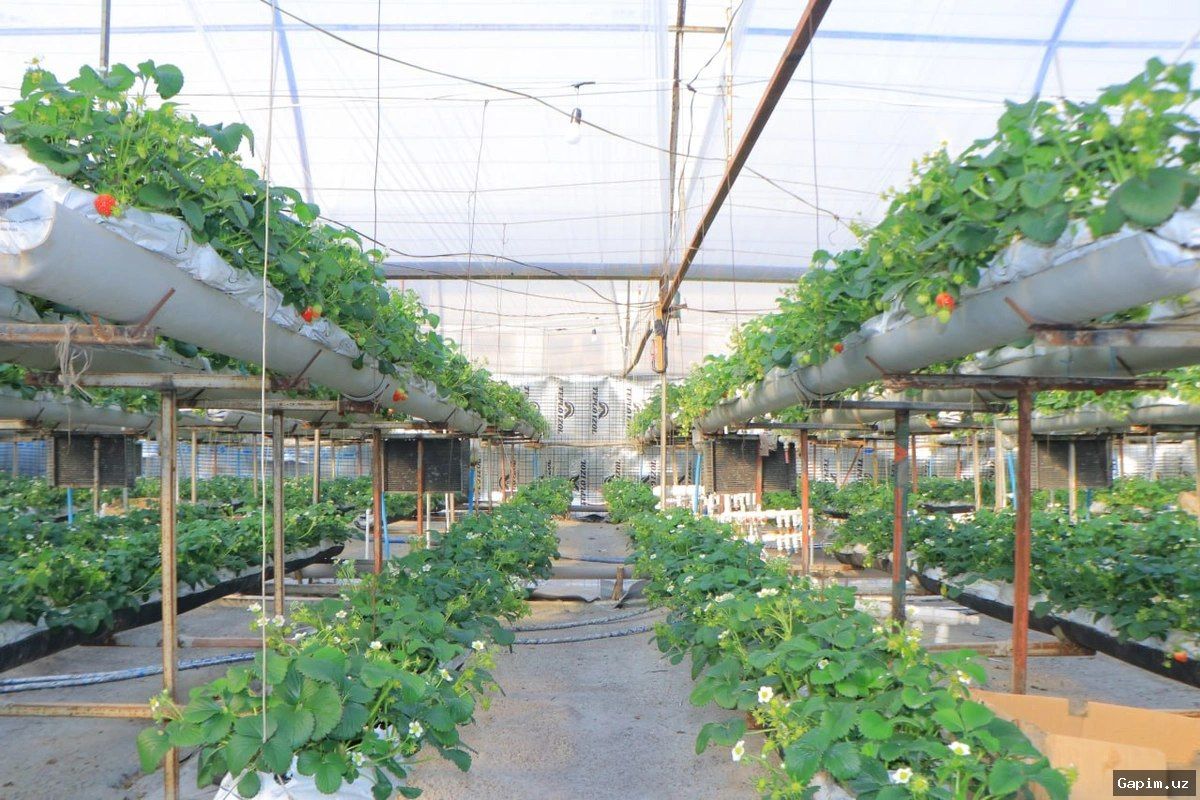
The decision comes amid environmental concerns: during the autumn-winter period, some greenhouse farms used coal, fuel oil, car tires, and other harmful fuels. This led to significant pollutant emissions and air quality deterioration, sparking public complaints. During inspections, measures were taken against such farms, partially improving the ecological situation.
The current phase involves moving greenhouses to regions with a more favorable climate, eliminating the need for expensive heating. Entrepreneurs are offered to relocate their greenhouse farms to the Surkhon-Agro free economic zone in the Sherabad district of Surkhandarya region.
Support measures for businesses include extending loan repayment terms by 5 years with a grace period of up to 3 years, while maintaining state guarantees and interest rate compensations.
Additionally, entrepreneurs will be compensated for dismantling, transportation, and reinstallation costs — up to 500,000 soums per hundred square meters of land, provided relocation is completed by April 1, 2028.
Currently, explanatory work is being carried out with entrepreneurs in the Tashkent region. After that, greenhouses will be disconnected from heating systems, and existing contracts will be terminated.
Meanwhile, from June 1, 2026, the creation of new greenhouses using coal and fuel oil will be banned in Tashkent and several districts of the region. From August 1, 2026, natural gas supply to greenhouse farms will cease, and water tariffs will be increased fivefold. A number of other sanctions are also envisaged.
Source: podrobno.uz