Harare's streets were quieter than usual on Friday as residents waited to see whether a call for a nationwide shutdown against constitutional changes would lead to protests. The first thing that stood out was the traffic: cars on roads leading into the city center were fewer than usual, and the morning rush hour that normally fills the capital's streets was missing.
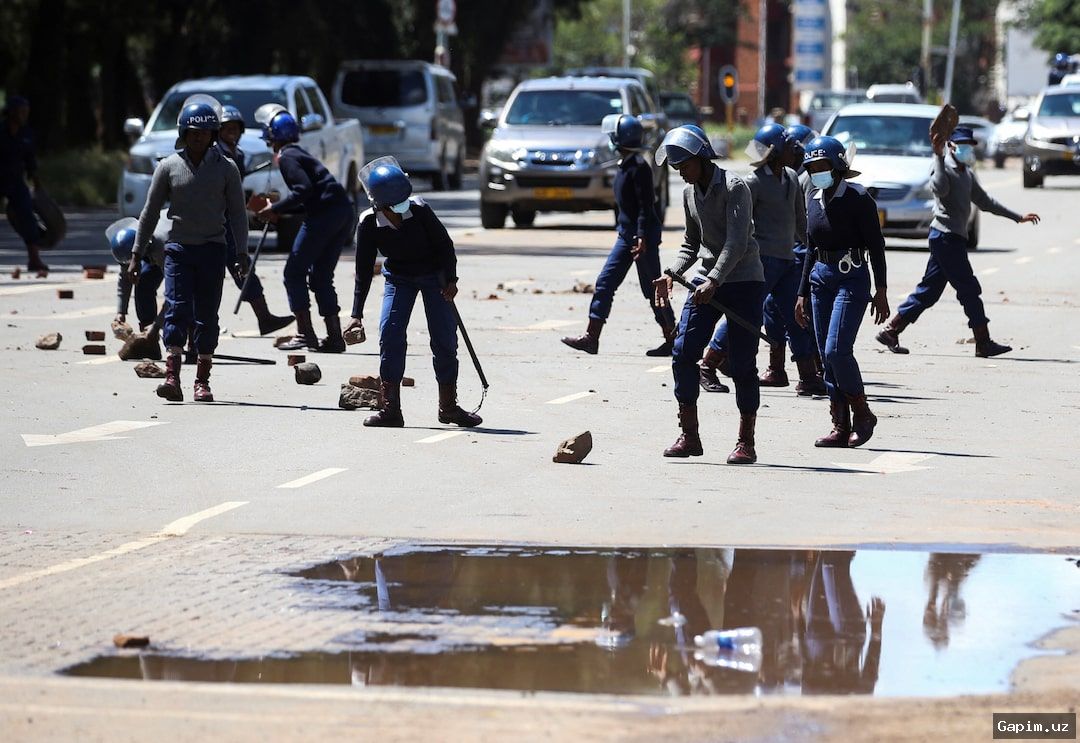
Police were deployed across Harare as opposition groups and civil society activists called for a shutdown over amendments that critics say could extend President Emmerson Mnangagwa's time in office until 2030. The security presence was difficult to miss: police blocked access to a popular park, and water cannon trucks were parked in an open space used for previous demonstrations.
By 8:30 am, parts of Harare's central business district were slowly coming to life. In areas where taxis operate and small businesses line the streets, some shops had opened while others remained closed. The heavy police presence showed that authorities were prepared for possible demonstrations, which they have banned. In Zimbabwe, public gatherings require police approval, and opposition groups have repeatedly criticized restrictions on protests.
The shutdown call followed constitutional amendments approved by Parliament and signed into law in July. The changes move the next presidential election from 2028 to 2030, extend presidential and parliamentary terms from five to seven years, and replace direct presidential elections with a system where the president is elected by parliament. Mnangagwa came to power in 2017 after Robert Mugabe was removed, and won elections in 2018 and 2023; he was previously expected to leave office in 2028.
The amendments have drawn criticism from opposition and civil society groups, who argue they could allow Mnangagwa to remain in office beyond 2028. The government defends the changes, saying they aim to reduce political tensions and create greater stability. Godfrey Gurira, a liberation war veteran, told Al Jazeera: "When we went to war, we were fighting for the people. We were fighting for one man, one vote. We were not fighting for a dynasty or anything along those lines."
The ruling ZANU-PF party, which has governed since independence in 1980, rejected accusations that the amendments are designed to extend Mnangagwa's tenure. Farai Marapira, the party's information and publicity director, said the changes address political tensions linked to the electoral cycle, reducing periods of heightened tension before elections. Opposition groups disagreed, saying the amendments weaken democratic accountability.
The shutdown call did not lead to widespread disruptions in Harare. As the day continued, the city gradually returned to its normal rhythm: more shops opened, taxis returned, and traffic increased. However, the constitutional amendments remain contentious. Opposition groups and activists are challenging them in the Constitutional Court, while the government continues to defend them. By the afternoon, Harare had largely returned to its normal weekday routine, but the dispute that brought police onto the streets is not over.
Source: www.aljazeera.com