Residents of Ragem village, 70km from Taiz, face daily challenges commuting to the local market. Drivers routinely refuse trips to these rugged areas due to unpaved roads, forcing many to trek 6km on foot.
Abdullah al-Azazi, 31, told Al Jazeera: “We offer them double the regular fare, but they still refuse. Only drivers from our village agree because they understand our suffering.” He added that workers and students who must leave the village daily either walk or spend a fortune on transportation.
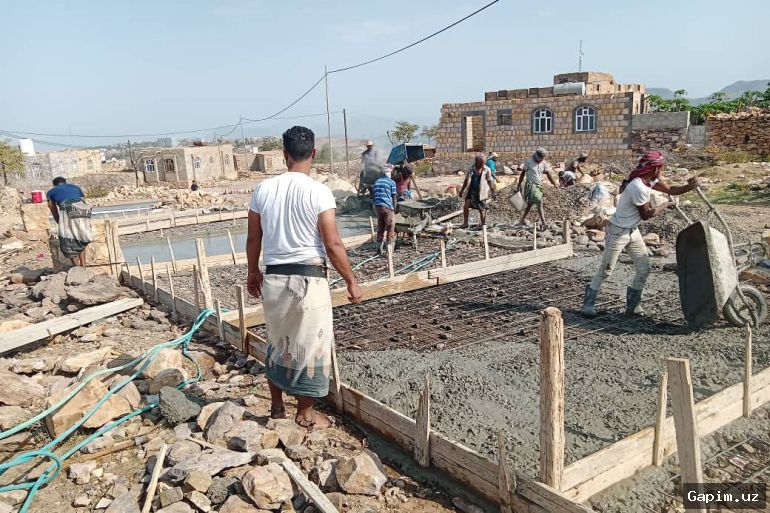
The 7,600 people living in Ragem and surrounding hamlets struggle not only with transport but also with delivering supplies, including water. Local authorities say they lack resources to pave the roads. After appeals to humanitarian organizations went unheeded, a grassroots initiative was launched three years ago to repair the region's crumbling infrastructure.
Ahmed Fuad, 26, a lead volunteer, said they prioritized the most treacherous sections first. So far, they have widened and paved over 124 meters, but about 500 meters of steep terrain remain. Fuad stated: “We won't stop until the entire stretch from the village to the market is complete.”
To streamline fundraising, they set up a WhatsApp group. Donations started at just 1,000 Yemeni riyals ($0.64) but grew to as high as 1 million riyals ($640). Those who cannot contribute financially offer their time, drastically cutting labor costs.
According to the UN Office for the Coordination of Humanitarian Affairs, 14.4 million Yemenis remain in dire need of basic water and sanitation assistance. Unpaved roads make it difficult to transport water to remote villages. In the al-Rahaba displacement camp in Jabal Habashy, over 200 families used to make grueling 3km treks to fetch water.
Abzulaziz Shamsan, 44, recalled: “Fetching water consumed most of their time. They would leave early in the morning, head out again at noon, and make a third trip before sunset.” He pleaded with local government and aid organizations for months without response, until social activist Mohammed Mahyub visited.
Mahyub returned the next day with engineers, drilled a well, and equipped it with a solar power system, water tanks, and taps. The well now serves around 300 displaced and neighboring families. Through crowdfunding on social media, Mahyub has built 20 manual wells across three remote districts in Taiz, bringing relief to thousands.
Similar grassroots campaigns are emerging across Yemen, such as in Hodeidah, where activist Abdullatif al-Zailaai has spearheaded drilling artesian wells. Yemen's economy has been devastated by war since 2015, leaving the government with little funding for public works.
An official in the Taiz governor's office said that due to limited resources, there are no plans to expand infrastructure into remote rural areas. However, he praised local activists and private donors for stepping in, calling such community-led projects an important model for civic engagement.
Source: www.aljazeera.com