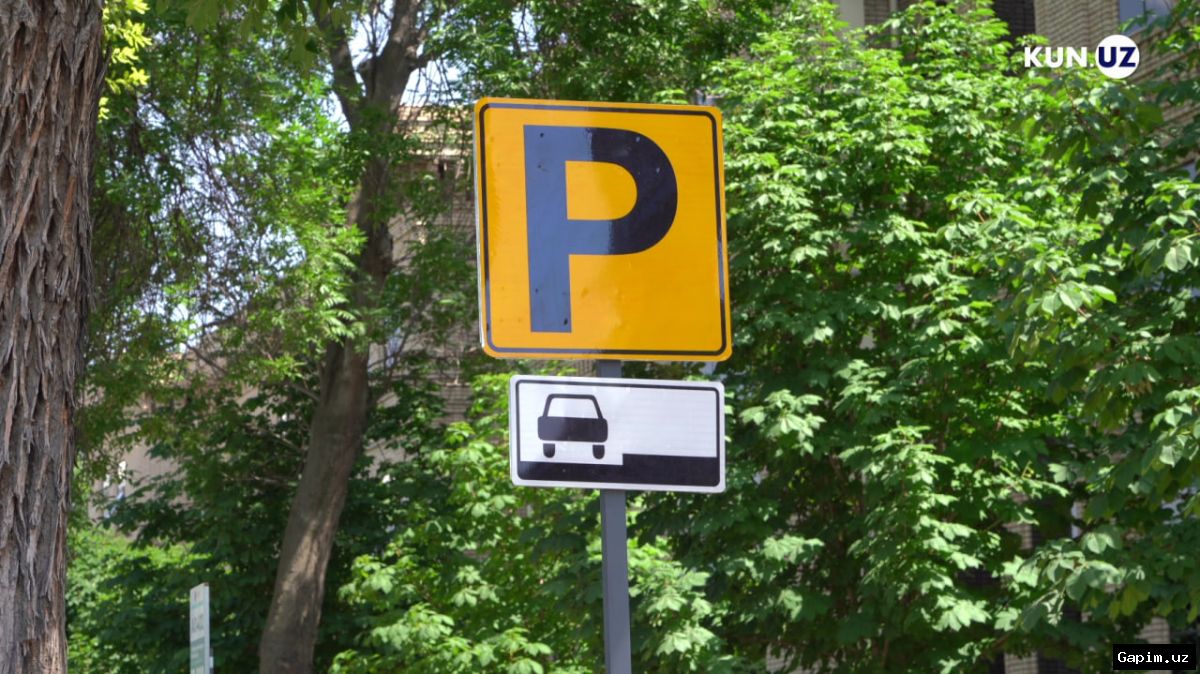
Earlier, the Tashkent city administration (khokimiyat) drafted a bill proposing administrative liability for non-payment of paid parking. The fine was suggested at 2 times the basic calculated value (currently 824,000 soums, from September 1 — 880,000 soums).
Deputies of the People's Democratic Party of Uzbekistan issued a statement arguing that the bill cannot be adopted. They noted that according to Article 98 of the Constitution, the Tashkent khokimiyat is not among entities with the right of legislative initiative. Draft laws amending codes can only be introduced by entities directly specified in the Constitution.
Furthermore, introducing administrative liability for failure to fulfill a civil obligation to pay for services of a private paid parking operator contradicts legislation. According to the Civil Code, the obligation to pay for paid parking services arises from relations between the user and the parking operator. By their legal nature, such relations are civil law.
"In this situation, instead of introducing administrative liability, it is necessary to apply civil law mechanisms provided by legislation, i.e., the parking operator should recover the debt in court," the deputies stated.
It was also emphasized that administrative liability measures (fines) can be applied by state bodies solely for the protection of public and societal interests. Using state coercion to ensure collection of revenues for a commercial organization contradicts the principles of a rule-of-law state.
The deputies drew attention to the fact that the claim that only 2–3% of drivers pay for paid parking raises serious doubts among the public. As the PDP previously noted, the khokimiyat has not yet disclosed information on revenues from paid parking and the amount of funds transferred to the state budget.
"The People's Democratic Party of Uzbekistan calls on executive authorities to engage not in introducing fines and punishments, but in creating decent conditions for the population," the deputies concluded.
Source: uznews.uz