President Shavkat Mirziyoyev announced at a meeting on July 16 that members of the 'Mahalla Seven' will be allocated grants of 10 million soums each for projects aimed at solving social problems, maintaining cleanliness, and increasing population incomes. A total of 240 billion soums will be set aside for these purposes.
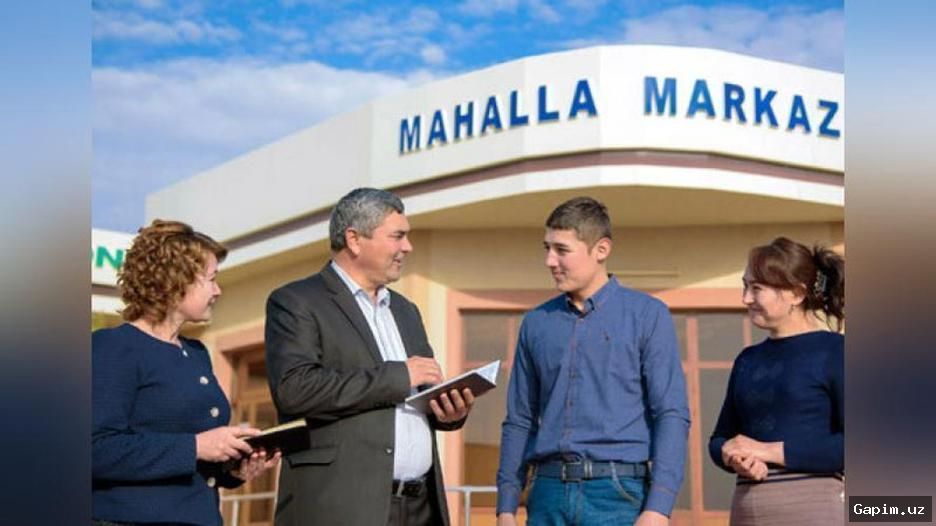
The 'Mahalla Seven' consists of the mahalla chairman, deputy governor, youth leader, women's activist, prevention inspector, social worker, and tax inspector. The head of state emphasized that mahalla chairmen should take the initiative in implementing such projects.
According to the president, if at least one project is implemented in each of the country's 8,992 mahallas, the situation on the ground will change significantly. He also stressed that the mahalla chairman should become the 'true manager of his territory' and will now approve weekly and monthly work plans for the deputy governor, women's activist, youth leader, social worker, prevention inspector, tax inspector, and the attached bank employee.
Mahalla chairmen will also set specific tasks for members of the 'Seven' and regularly hear their reports. To provide methodological support and introduce a scientific approach to solving local problems, the National Institute for Mahalla Development will be established. This institution will train members of the 'Seven' and develop scientifically based solutions to pressing issues.
Shavkat Mirziyoyev also announced changes in the working methods of bank employees assigned to mahallas. Banks will be required to identify 'growth points' for each mahalla, find proactive residents, and increase the number of income-generating projects. From now on, no more than three mahallas will be assigned to one banker.
As a successful example, the president cited the Yangiobod mahalla in Angor district of Surkhandarya region. There, a 2-kilometer above-ground drainage network was closed, and 110 service facilities were created in its place. As a result, 1,225 residents of surrounding areas gained jobs and sources of income.
In the Bakhtli mahalla of Arnasoy district, a bank employee allocated loans of 50 million soums to 20 households to open guest houses. According to the president, each family earns up to 100 million soums during the season. After these projects were launched, another 80 families began organizing guest houses in their homes.
Within two weeks, 400 new mahalla bankers will be selected from among proactive university graduates and modern-thinking young specialists. They will then study the experience of exemplary mahallas for one month.
It is also planned to allocate vacant land plots in mahallas through auctions for the construction of private kindergartens, schools, hospitals, and sports facilities. According to the head of state, such authority will be given to mahalla chairmen. Decisions should be made based on the real needs of the specific area.
Source: www.gazeta.uz