The Institute of Nuclear Physics (INP) of the Academy of Sciences of Uzbekistan is celebrating its 70th anniversary. According to its director, Academician Ilkham Sadikov, the institute currently produces over 80% of the world's iodine-125, a radioisotope widely used in modern medicine.
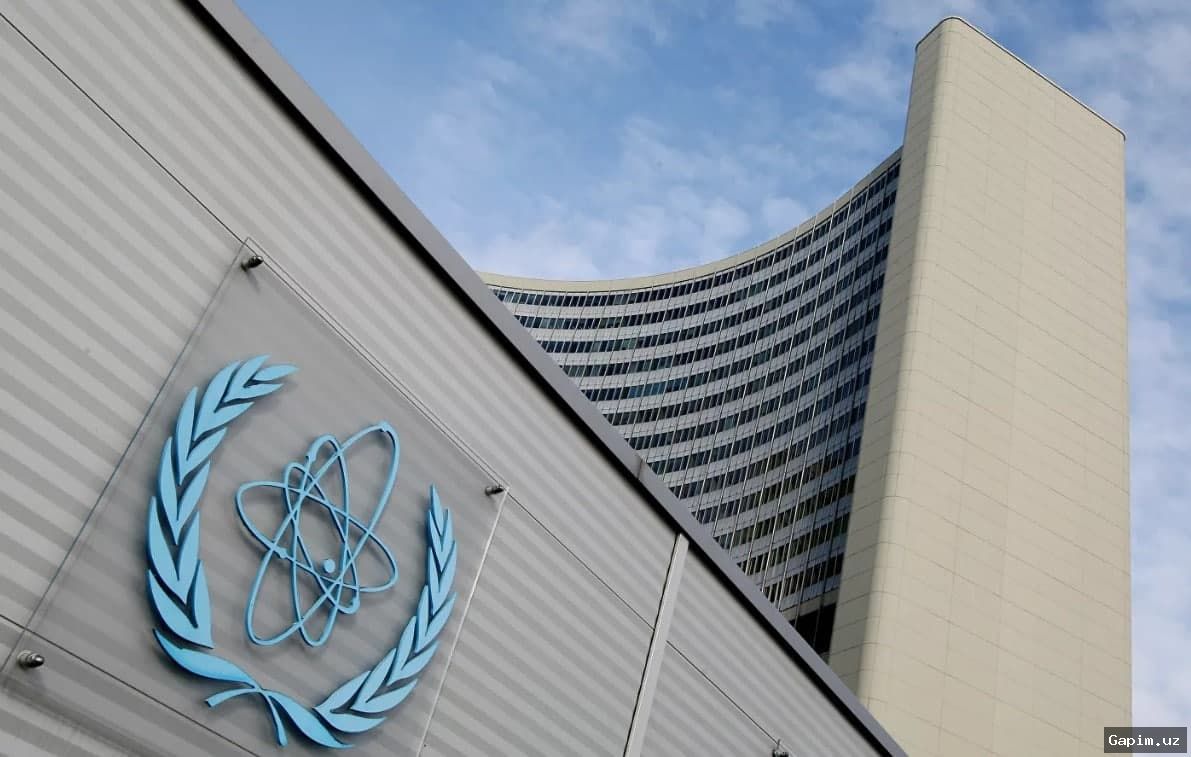
Founded in 1956, the institute launched its VVR-SM research reactor in 1959, initially with a capacity of 2 MW, later upgraded to 10 MW. The site houses six unique nuclear physics facilities and three subsidiary enterprises.
Sadikov claims that the iodine-125 produced at INP is the purest in the world: "The second purest product is 10,000 times inferior to ours." Additionally, more than half of the world's phosphorus-32 and phosphorus-33 are produced here.
The institute annually produces over 60 radiopharmaceutical drugs and substances based on 15 radioisotopes, about 40 of which are ready-to-use medications. Over 90% of production is exported to more than 15 countries across Europe, Asia, North and South America.
Lutetium-177 is a key product, with production starting in 2017. Drugs based on it are used to treat prostate cancer and neuroendocrine tumors. Demand for this isotope exceeds current production capacity by up to 40 times.
Lesser-known activities include radiation sterilization of medical devices, neutron radiography and tomography, and enhancement of natural topaz stones through irradiation. The institute also develops water purification systems and produces silver nanoparticle solutions for disinfection.
The VVR-SM reactor has been operating for 67 years. IAEA experts concluded it can safely operate for another 50,000 hours. However, Sadikov emphasizes the need for a new 20 MW research reactor to increase isotope production and maintain competitiveness.
According to Sadikov, the institute's main secret is its dedicated staff. "We would come on Monday and leave only on Saturday. Nobody forced us; we wanted it ourselves," he recalls.
Source: podrobno.uz