Tashkent, Uzbekistan – Podrobno.uz. Extreme heat has become a severe test for energy systems. While air conditioners sharply increase electricity consumption, high temperatures simultaneously place additional strain on power plants and grids. On July 20, Uzbekistan's daily consumption reached a record 301.9 million kilowatt-hours, with peak grid load hitting 14.2 GW. This article examines how extreme heat affects different types of generation, why power units may reduce output or temporarily shut down under such conditions, and how the energy sector is adapting to new temperature-related challenges.
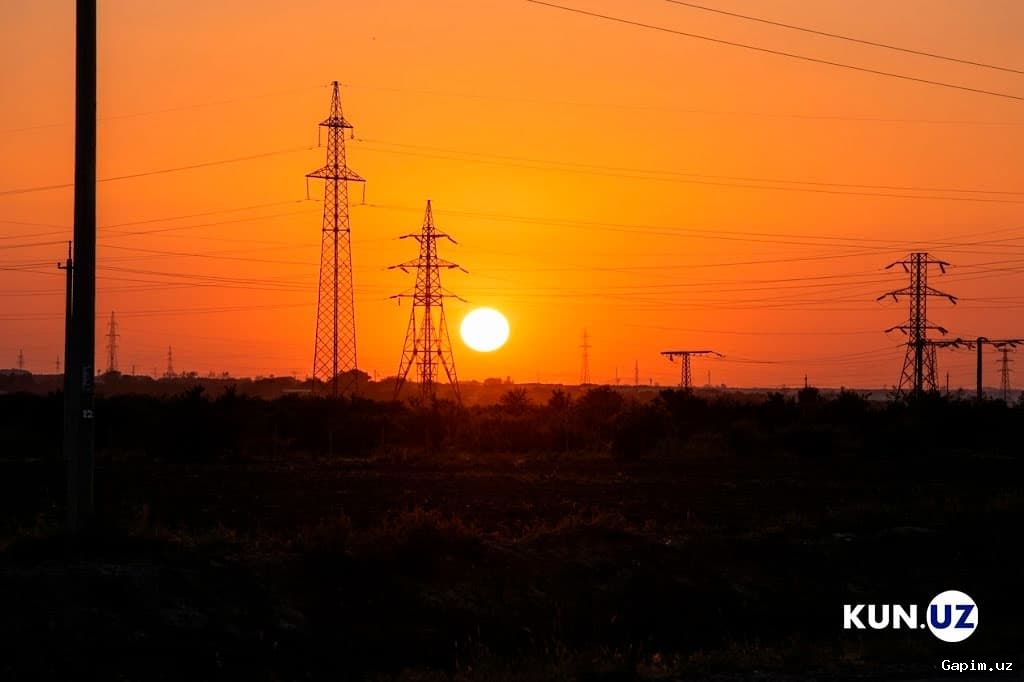
The primary driver of increased consumption on hot days is the growing demand for cooling. According to the International Energy Agency, global electricity use for air conditioning has risen by about 50% since 2015. Today, cooling accounts for roughly 10% of annual electricity consumption but already represents about 30% of peak demand. The higher the temperature, the greater the load on air conditioners, and the more electricity demand surges during peak hours.
Thus, heat affects the energy system from two sides simultaneously: it sharply increases electricity demand while degrading the operating conditions of some equipment. The impact varies by generation type. Gas turbines can lose some available capacity due to heated air, as higher temperatures reduce air density entering the turbine. Solar panel efficiency, in turn, decreases when panels overheat.
Power transmission lines and transformers also experience additional thermal stress. Rising temperatures limit equipment's ability to transmit and distribute electricity, especially during periods of maximum demand. Hydropower faces its own risks, as output directly depends on river water levels and inflows into reservoirs. The IEA's Global Energy Review 2026 notes a decline in hydroelectric generation in several regions, particularly Europe, Central and South America, with the shortfall largely compensated by fossil fuels.
Water used for cooling power plants deserves special attention. Such systems are essential not only for nuclear plants but also for coal and many gas-fired units. If a plant draws water from a river or other body, lower water levels or excessive heating can force output restrictions. Therefore, reports of temporary output reductions or shutdowns of individual units during heatwaves and low-water periods do not necessarily indicate an accident.
The International Atomic Energy Agency also treats extreme weather and environmental conditions as factors that may require protective actions, power reductions, or temporary shutdowns. For example, high cooling water temperatures may necessitate reducing plant output to comply with established thermal limits. During droughts, reduced water availability can similarly require derating or temporary shutdown to preserve necessary cooling capacity and safety margins.
This means climatic and hydrological parameters must be considered not only in plant design but also in subsequent operation and modernization. Nuclear power itself remains a manageable electricity source. The IEA notes that nuclear plants can provide large-scale output around the clock and complement renewable sources. This is particularly important for grids with growing shares of solar and wind generation: nuclear plants can ensure stable output when solar and wind production depends on time of day and weather.
A nuclear plant's ability to operate in extreme temperatures largely depends on the specific design and site conditions. Rosatom head Alexey Likhachev has noted that Russian projects are initially developed with the climatic and natural features of the construction site in mind. "We have northern Kola, Bilibino, and floating NPPs, projects in temperate climates, and plants for hot, arid regions – for example, El-Dabaa in Egypt. Each such project is initially developed for a specific site, taking into account air temperature, hydrology, wind conditions, water supply features, seismicity, and other natural factors," he said.
The experience of the Rostov nuclear power plant is illustrative. According to Likhachev, summer air temperatures there can exceed 40 degrees Celsius. After new units reached full capacity, it turned out that during the hottest periods, the temperature of service water exceeded optimal levels. To solve the problem, an additional fan cooling tower complex was commissioned in 2021. It works alongside the main cooling system and forcibly enhances heat exchange during intense heat. Thanks to this, the unit can continue operating without derating and maintain stable output. A similar complex is now being built for another unit.
For Uzbekistan, where summer electricity consumption peaks are already breaking records, the issue of grid resilience to extreme heat will become increasingly urgent. High temperatures simultaneously increase system load and impose additional requirements on generation, grids, and cooling systems. Therefore, when building new energy facilities, it is crucial to consider not only installed capacity but also the actual climatic conditions of the site, water availability, and equipment's ability to operate during peak demand.
Heat itself does not provide a clear answer as to which power generation technology is more reliable. Rather, extreme temperatures reveal how well a particular power plant and the entire energy system are prepared to operate under maximum load, and how thoroughly potential climate risks were considered during design.
Source: podrobno.uz