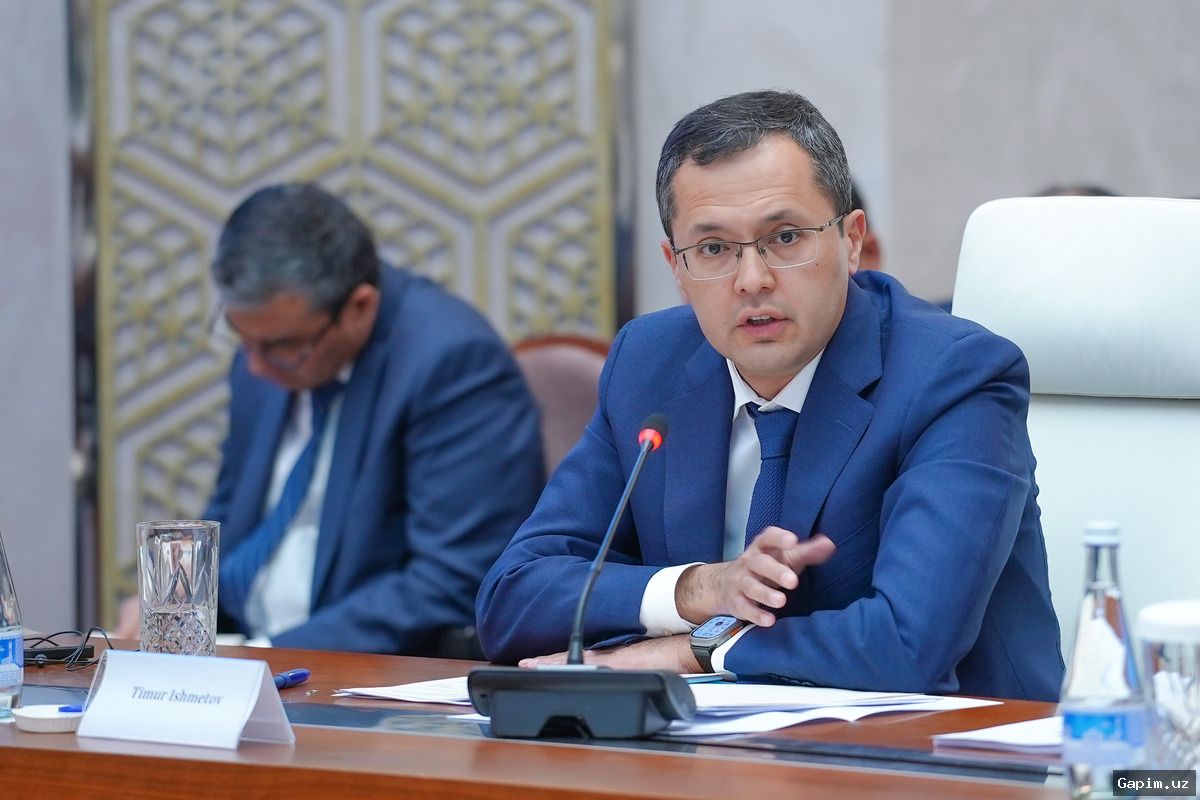
Timur Ishmetov, Chairman of the Central Bank of Uzbekistan, announced in an interview with the Financial Times that the country plans to complete the liberalization of prices for certain utility services that are still administratively regulated, specifically water tariffs and some other communal services.
According to him, over the past years, the government has gradually transitioned from state-controlled prices to market mechanisms. This process, along with currency liberalization and energy tariff reforms, has been one of the factors contributing to higher inflation.
“When we started reforms almost 10 years ago, one of the main problems was that prices in various markets for goods and services were controlled by the state. It was clear that these were not market prices,” Ishmetov said.
The Central Bank head noted that energy tariffs have been liberalized over the past two years. “Speaking of internal risks, I think we have largely resolved the problems because we gradually liberalized prices in various markets. There are still a few goods and services whose prices are administratively regulated. We will liberalize them as well,” he added.
When asked by the Financial Times which sectors are being referred to, Ishmetov mentioned utilities: “In some cases, regional authorities regulate prices for water and some other utility services. We need to complete liberalization in this area as well.”
It is worth noting that starting January 1, the authority to approve tariffs for drinking water and wastewater will be transferred to the Interdepartmental Tariff Commission under the Cabinet of Ministers. Currently, tariffs are approved by local councils.
Ishmetov also stated that inflation is currently around 6.5%, and the Central Bank plans to bring it down to the 5% target by 2027. He emphasized that the price liberalization process in previous years was inevitably accompanied by accelerated inflation.
Speaking of external risks, Ishmetov cited changes in global oil and food prices amid international conflicts as relatively serious risks for inflation. According to him, the conflict in the Persian Gulf has not yet had a direct significant impact on Uzbekistan, but rising logistics costs have become an additional factor.
“To be honest, the conflict in the Persian Gulf has not yet directly affected us. But when oil prices rise, sooner or later it will affect everyone,” he remarked.
Source: www.gazeta.uz