The 'Tabassum' inclusive workshop in Tashkent, designed for young people with intellectual disabilities, has marked its first year of operation. The workshop, which can accommodate 20-25 individuals, teaches pottery, sewing, candle and soap making, as well as daily living skills. Through these activities, participants are able to showcase their abilities and actively engage in society.
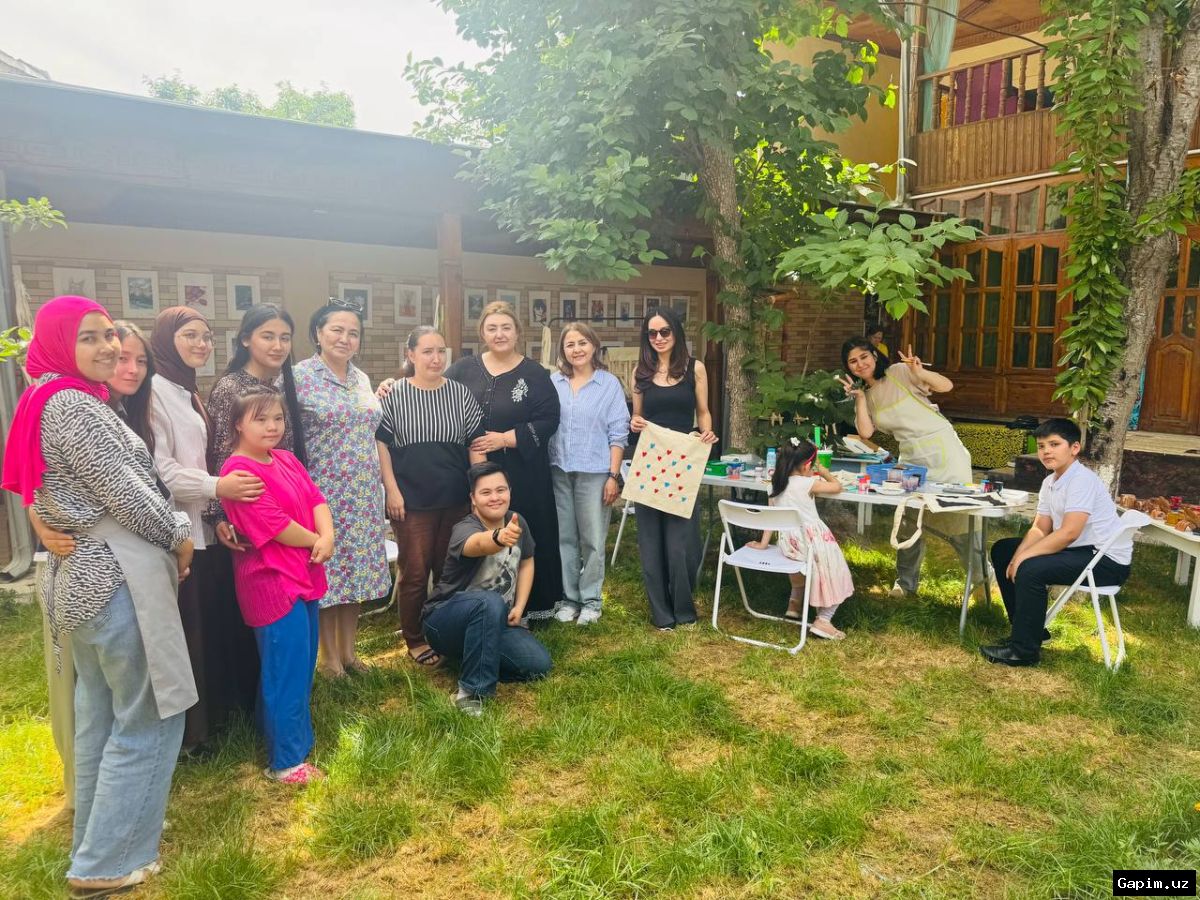
According to Shahnoza Ikromova, head of the project and the 'Quyoshli olam' NGO, the primary goal is to prepare young people for independent life and create conditions for them to earn income through their own labor in the future. The idea stemmed from Ikromova's personal experience with her son Rustam, who faced developmental challenges after birth. As he approached school graduation, she began to worry about his future prospects.
As an international expert on disability, Ikromova studied inclusive cafes and workshops in Turkey, Japan, and Belgium. These experiences inspired her to create a similar system in Uzbekistan. She observed that many young people with disabilities, after finishing school, remain at home, spending their days watching TV or using phones, which negatively impacts their development and independence.
In 2022, the 'Tabassum' center was established, offering rehabilitation and multifunctional services. Speech therapists and special educators conduct sessions on self-care and life skills. In cooperation with the National Agency for Social Protection, day care, rehabilitation, and early intervention services for children under 18 have been launched.
In August 2025, with a UNICEF grant, the 'Tabassum' inclusive workshop opened in a new building. The workshop employs graduates of the Kamoliddin Behzod National Institute of Art and Design, along with two tutors. Currently, about 15 young people attend regularly. Products such as cups, brooches, keychains, and interior items are made and sold at three hotels in Tashkent and through Human House.
Shahnoza Ikromova notes that the workshop's expenses are not yet fully covered by sales, so the project relies on grant funding. Plans include strengthening cooperation with the tourism sector and organizing paid master classes for tourists. The workshop has also joined the 'Yangi kun' project, initiated by a presidential decree, aimed at preventing the isolation of people over 18 with intellectual disabilities.
Tutor Naima Umarova recalls initial concerns about how children would adapt, but they quickly settled in and diligently performed tasks. Besides crafts, children learn household skills like cleaning, cooking, and yard work. A new child only needs to be shown a task once to start participating alongside others.
Project manager Yelena Turayeva highlights growing interest from companies in supporting social projects and local products. The workshop collaborates with several Tashkent hotels and is negotiating with hotels and tourist shops in Bukhara and Samarkand. The next step is to expand to tourist destinations like Khiva.
Parents report significant positive changes in their children. Nilufar Tukhtayeva says her daughter Jannatoy has become more cheerful and enthusiastic. Kamola Mirsamatova notes her son Rustam's development as an independent individual. Ilmira Mukhiddinova observes improved mood and calmness in her son Asliddin, while Nozim Karimova is delighted that her daughter Muazzam has developed a passion for pottery.
The 'Tabassum' inclusive workshop plays a crucial role in integrating young people with disabilities into society and fostering self-confidence. The leadership aims to transform it into a self-sustaining business.
Source: www.gazeta.uz