Iran's Supreme Leader Ali Khamenei was killed in strikes by the US and Israel. Iran retaliated with strikes on Israel and US military bases in Arab monarchies. Experts Nikita Smagin and Ruslan Suleymanov discussed the resilience of Iran's political system, societal consolidation or protest waves, Reza Pahlavi's role, and instability risks.
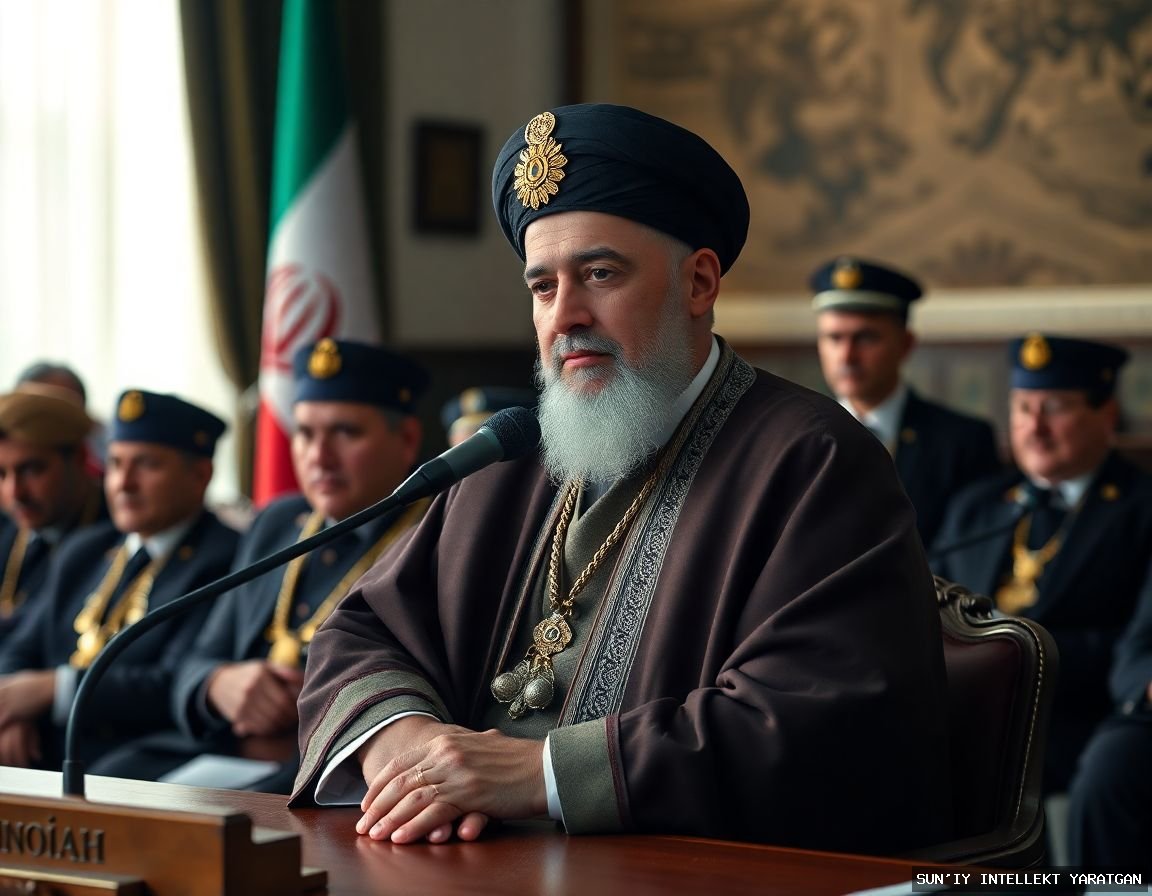
According to Nikita Smagin, constitutional protocols were activated after the religious leader's death. A transitional council has been formed, including Alireza Arafi as a potential interim leader. Currently, government supporters are consolidating, but protests will not surge immediately as people are focused on survival under strikes.
Ruslan Suleymanov noted that the leader's death has not led to regime collapse. In the emergency, governance shifts to a special council led by President Masoud Pezeshkian. Khamenei's death as a martyr may evoke sympathy, so protest potential is low.
Regarding Reza Pahlavi, Smagin views him as a symbolic figure without internal structure to exert real influence. Suleymanov believes his influence is overstated and virtual in nature.
Source: www.gazeta.uz