The International Testing Agency (ITA) has announced that prohibited substances were found in samples from two Uzbek athletes during out-of-competition testing in Japan. Both cases were detected ahead of the 2026 Asian Games.
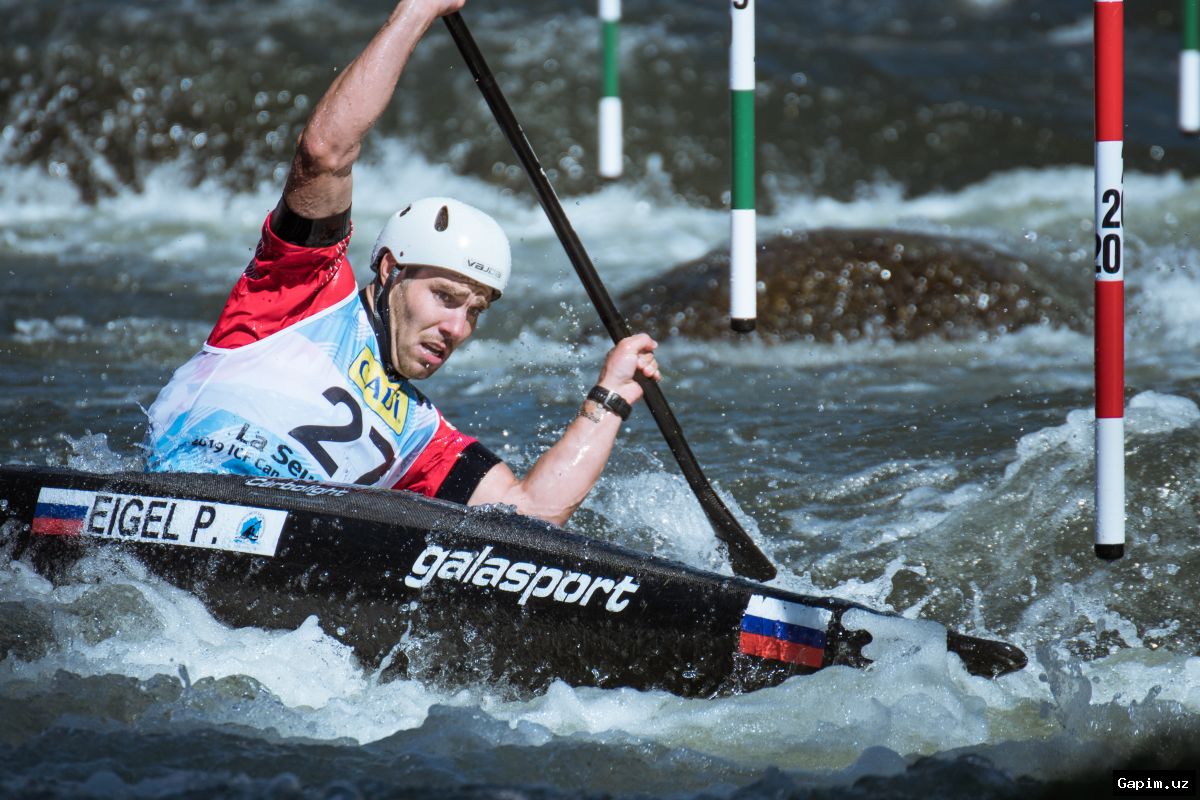
On September 23, a sample taken from Uzbek canoeist Pavel Eigel revealed the presence of trimetazidine. This substance is included in the World Anti-Doping Agency's (WADA) Prohibited List under category S4, "Hormone and Metabolic Modulators." It is banned both in- and out-of-competition and is classified as a non-specified prohibited substance. Trimetazidine is used to treat and prevent heart conditions by improving blood supply to the heart muscle.
On September 22, a sample from Uzbek mixed martial artist Nodirbek Shavkatov was found to contain meldonium. Meldonium is also listed under category S4 of the WADA Prohibited List and is banned both in- and out-of-competition. It is classified as a non-specified prohibited substance. Meldonium can enhance athletic performance by improving endurance and recovery through increased oxygen uptake and effects on energy metabolism.
Both athletes have been notified of the results and provisionally suspended pending the outcome of the proceedings, in accordance with the World Anti-Doping Code and OCA Anti-Doping Rules. During their suspension, they are barred from competing, training, coaching, or participating in any other sporting activity within the framework of the Aichi-Nagoya 2026 Asian Games.
The athletes have the right to challenge the provisional suspension before the Anti-Doping Division of the Court of Arbitration for Sport (CAS ADD). They may also request the analysis of their B samples.
Source: uznews.uz