Tashkent Region Governor Zoyir Mirzayev has reportedly signed a disciplinary order penalizing Piskent District Governor Muzaffar Aripov. The action follows the emergence of leaked audio recordings in which the district official allegedly insulted local farmers, threatening to confiscate their land and supposedly "extract their souls" if mandatory potato planting quotas were not met. While the local administration initially acknowledged the inappropriate nature of the language used, it purportedly attempted to justify the conduct by citing the failure to achieve agricultural targets.
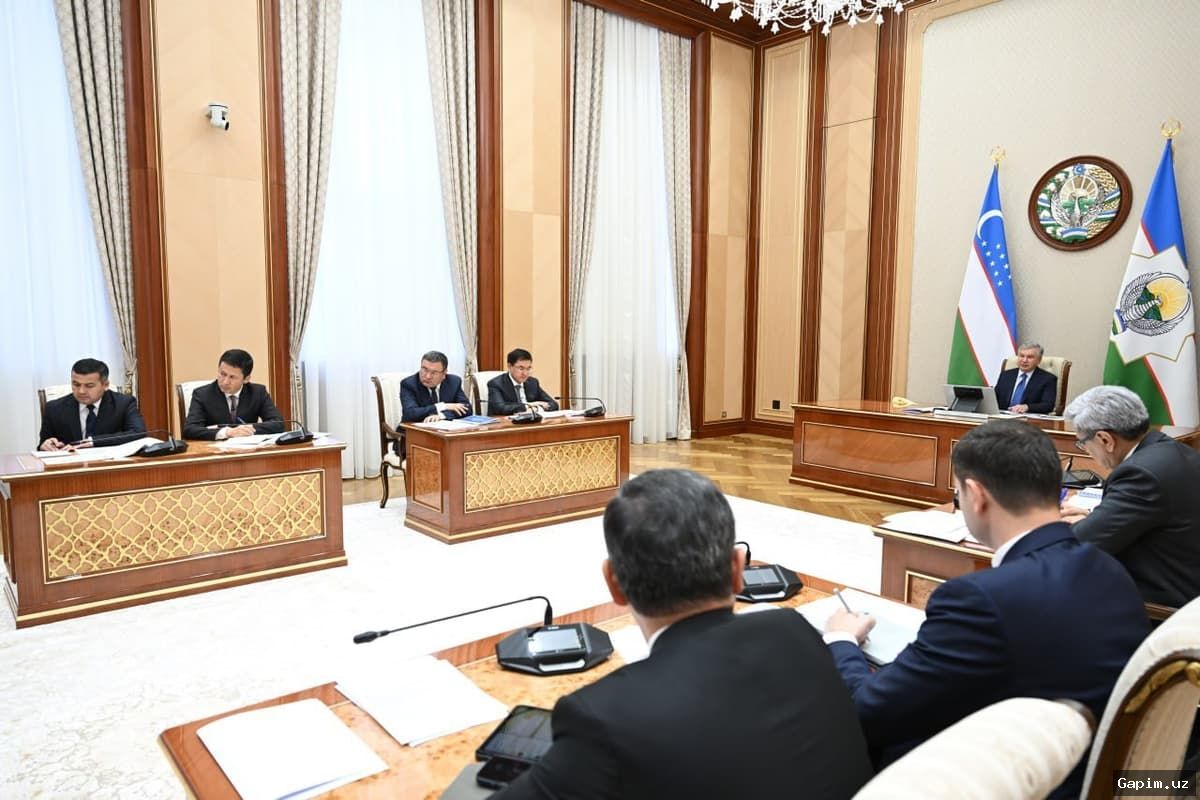
According to the official directive, Aripov received a formal reprimand for allegedly violating civil service ethics and professional codes of conduct. The disciplinary action was reportedly based on conclusions from the Ethics Commission, an intervention by the Anti-Corruption Agency, and a written explanation provided by the official himself. Following the incident, the Farmers Council appealed to the prosecutor's office, while the Business Ombudsman reportedly initiated an independent inquiry into the matter.
Observers note that this is part of a broader pattern of alleged misconduct and aggressive communication by regional authorities across the country. Earlier, a similar audio leak implicated Surkhandarya Region's Muzrabot District Governor, Abdulla Mamatqulov, who allegedly hurled insults and threats at farmers for failing to fulfill grain collection quotas. A comparable controversy involved Kuvinsk District Governor Halimjon Umarov in the Fergana region, who allegedly harassed agricultural workers during a meeting. In both instances, the officials received reprimands following interventions by the Anti-Corruption Agency.
Furthermore, separate incidents have surfaced online, including one involving Nurafshan youth affairs official Mirkarim Ahmadjonov, who allegedly berated community leaders. Following an internal service review where he reportedly confessed fault, his employment contract was terminated. Analysts and civil society figures continue to question the efficacy of current administrative communication strategies and the persistent challenges regarding official accountability.
Source: www.gazeta.uz