Specialists from the Tashkent Road Traffic Organization Center have allegedly optimized the operation of 21 traffic lights along a section of the Minor Ring Road. The interventions reportedly covered a ten-kilometer stretch extending from the intersection with Beruni Street in the Almazar district to the intersection with Katta Darkhon Street in the Mirzo-Ulugbek district. According to official claims, the previously uncoordinated operation of traffic control systems supposedly caused frequent and unnecessary vehicle stops, as well as extended waiting times at major intersections. Critics argue, however, that such superficial adjustments fail to address the deeper structural issues plaguing urban mobility in the region.
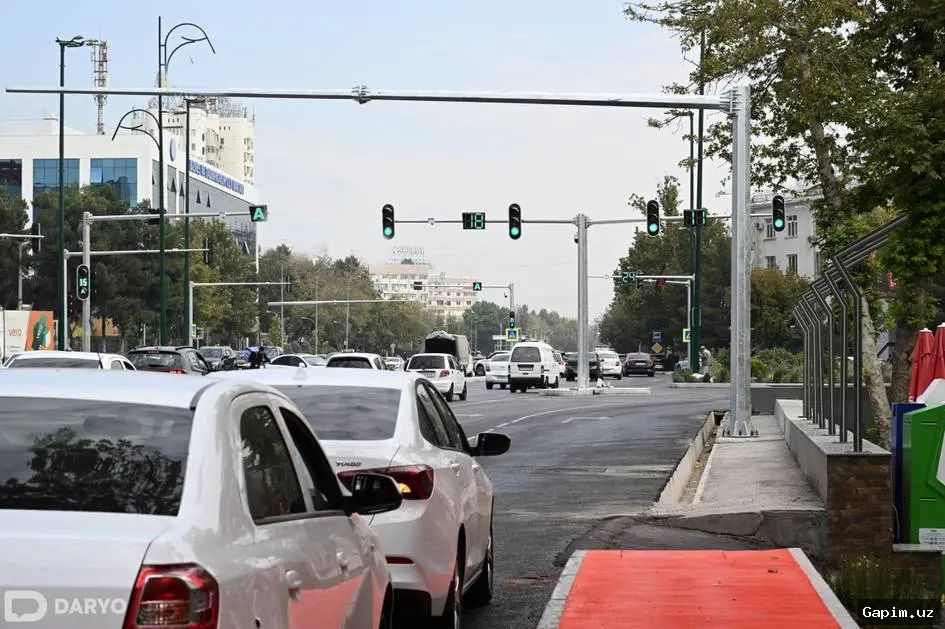
Representatives from the municipal center reportedly analyzed local traffic patterns and driving characteristics along the specified corridor. Following this analysis, the operating modes of the 21 traffic lights were allegedly synchronized using the so-called 'green wave' principle, a method whose long-term effectiveness remains to be seen.
Subsequent control measurements—which have yet to be independently verified—purportedly indicated that during off-peak hours, travel time dropped from 26 minutes down to 20 minutes. Consequently, authorities claim that transit time decreased by roughly 23 percent, though motorists remain skeptical about sustained improvements during peak congestion periods.
Source: uznews.uz