The national currency of Uzbekistan has reportedly been on a downward trajectory against the US dollar for the past nine consecutive trading sessions. Over this timeframe, the som has lost approximately 2 percent of its value, pushing the official exchange rate of the US currency to its highest peak since the end of July and completely erasing the appreciation gains accumulated since the beginning of the year.
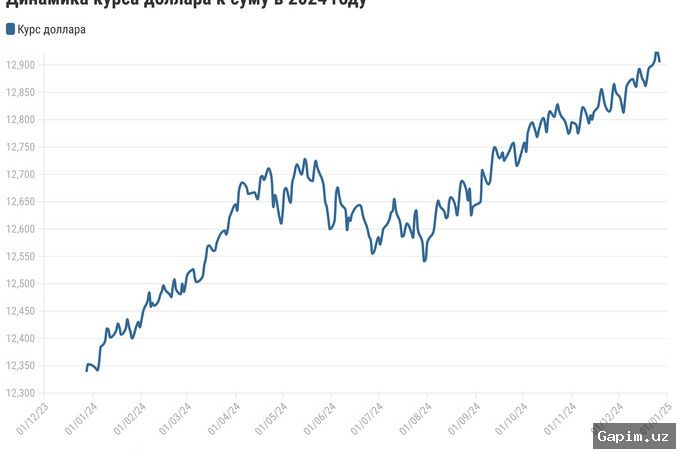
Between October 3 and October 16, the national currency dropped by 238.7 soms, moving from 11,772.95 to 12,011.65 soms per dollar. Mirkomil Kholboyev, an international trade specialist and author of the Telegram channel 'Mirconomika', has analyzed the potential factors behind this ongoing currency fluctuation.
According to the expert's assessment, one of the primary external drivers is the purported global strengthening of the US currency. Throughout October, a vast majority of currencies have allegedly weakened against the greenback; out of 39 analyzed currencies, 26 have depreciated, while only eight managed to strengthen. This trend is supposedly linked to the tightening monetary policy implemented by the US Federal Reserve.
The US regulatory regime allegedly raised interest rates to an annual range of 3.75 to 4 percent, while accelerating inflation rates purportedly fuel market expectations of further hikes. However, the expert notes that the som has suffered more severely than many peer currencies, indicating that additional domestic factors are heavily influencing the exchange rate beyond global dollar strengthening.
Kholboyev outlines three hypothetical domestic reasons for the national currency's weakening, though he notes that verifiable data is currently insufficient for absolute confirmation. First, there may have been one-off external debt payments by the government or the private sector at the end of the third quarter, creating a temporary surge in foreign currency demand.
Second, the real exchange rate has reportedly been strengthening since May, prompting the Central Bank to purportedly delay sterilization interventions to protect manufacturers' external competitiveness. Furthermore, lower gold export volumes compared to the previous year have allegedly restricted the Central Bank's capacity to sterilize liquidity via currency operations. Third, the end of the summer season has brought a traditional seasonal decline in remittances.
Despite these pressures, the analyst views fluctuations driven by external and internal factors as a normal characteristic of a floating exchange rate regime. The expert currently sees no fundamental justification for anticipating a sharp or prolonged depreciation of the som, as exports and investments within the country continue to exhibit active growth.
Source: www.gazeta.uz