President of Uzbekistan Shavkat Mirziyoyev reviewed a presentation on October 20 concerning the ongoing development of the nation's digital education ecosystem. According to the press service of the head of state, the initial target of establishing 300,000 jobs in the information technology sector by 2030 has already been met this year. Building upon this momentum, the authorities plan to generate an additional 500,000 jobs through the expansion of novel digital economy sectors over the coming years.
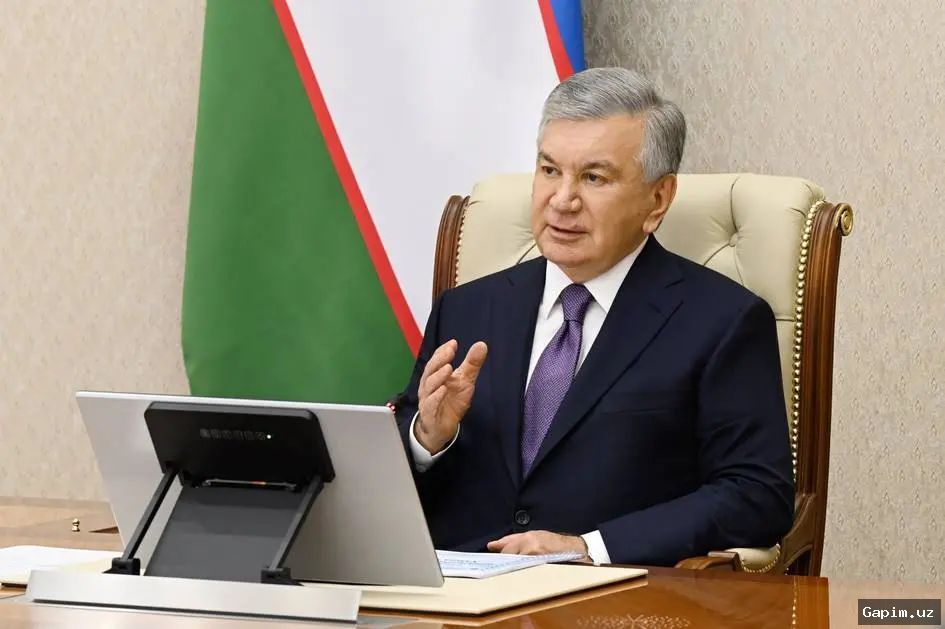
To achieve these ambitious targets, the country intends to establish a unified digital educational framework spanning from early youth training and professional certification to direct employment placement. During the briefing, officials reviewed strategies aimed at educating 5.5 million young individuals via traditional and remote learning formats through 2030. Key initiatives include scaling up specialized programs such as 'Al-Khwarizmi Heirs' and 'Five Million Artificial Intelligence Leaders' for school students.
President Mirziyoyev set a benchmark to train one million young people annually in advanced fields including robotics, game development, startups, and other high-demand technology sectors. Fulfilling this directive requires establishing a national corps of trainers, deploying specialized online platforms, launching intensive short-term digital courses, and integrating rigorous academic research into practical applications. Furthermore, the event addressed aligning higher education curricula with rapid shifts in the labor market and expanding international cooperation.
The discussion also highlighted the critical necessity of attracting global technology conglomerates to bolster local digital education. Reports indicate that last year secured approximately $22 million in grants for this sector, and authorities have now been instructed to elevate this figure to $60 million by the end of the year, targeting $100 million annually by 2030. Half of these incoming financial grants will directly support digital training programs, while the remaining portion will fund advanced instructor training and equip remote regional centers with state-of-the-art hardware.
Source: www.gazeta.uz