Uzbekistan has reviewed comprehensive measures aimed at modernizing its emergency response infrastructure and regulating the utilization of water reservoirs and surrounding zones. During a high-level presentation chaired by President Shavkat Mirziyoyev, officials noted that rapid urban expansion, technological advancements, and climate change are imposing severe operational demands on existing rescue services.
Reports indicated that several current fire and rescue units fail to meet contemporary standards regarding location, building conditions, and equipment readiness. Consequently, authorities plan to reorganize 25 fire and rescue units located in districts and cities with populations exceeding 250,000, equipping them with advanced machinery. Plans were also unveiled to establish the 'Madad' multi-disciplinary special rescue center, an aviation-rescue department, and a specialized research center for emergency management.
The modernization efforts extend to the '112' single dispatch service, leveraging digital technologies and artificial intelligence to monitor emergency calls from intake to resolution. Emphasizing human life preservation as the ultimate criterion, the government set strict arrival time benchmarks, aiming to reduce rescue response times to 5–7 minutes in urban areas and 15–20 minutes in outer regions.
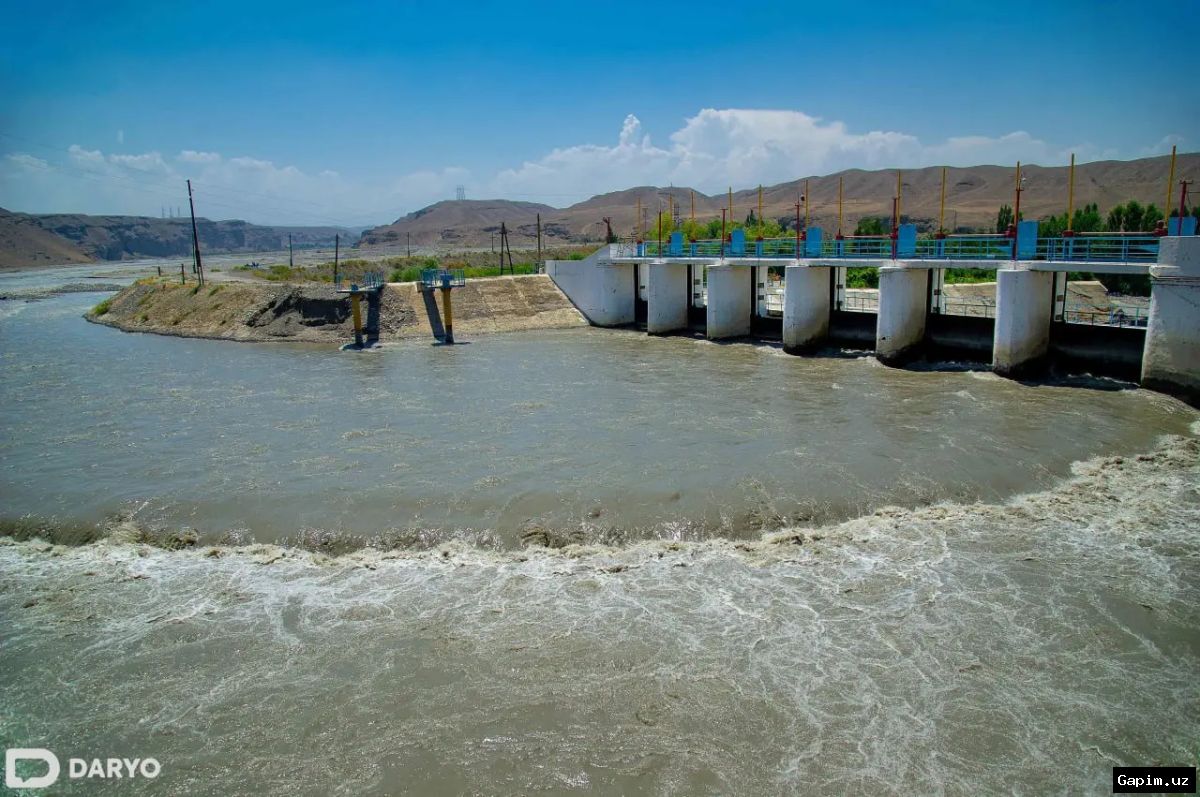
Furthermore, authorities highlighted vulnerabilities in water management, noting that professional rescue teams currently operate at only four out of the country's 56 reservoirs. To address this, a professional response model will be piloted at the Karkidon reservoir. While tourism development around reservoirs is being encouraged through tax and customs incentives to boost regional investment, strict adherence to safety protocols—including mandatory contractual agreements with professional rescue units—remains non-negotiable.
Source: www.gazeta.uz