The Tashkent municipal authorities have reportedly initiated the construction of dedicated Bus Rapid Transit (BRT) lanes along two major thoroughfares: Amir Temur Avenue and Yangi Sergeli Street. This sweeping infrastructural overhaul is anticipated to impose severe logistical challenges and exacerbate chronic traffic congestion for local motorists across the capital.
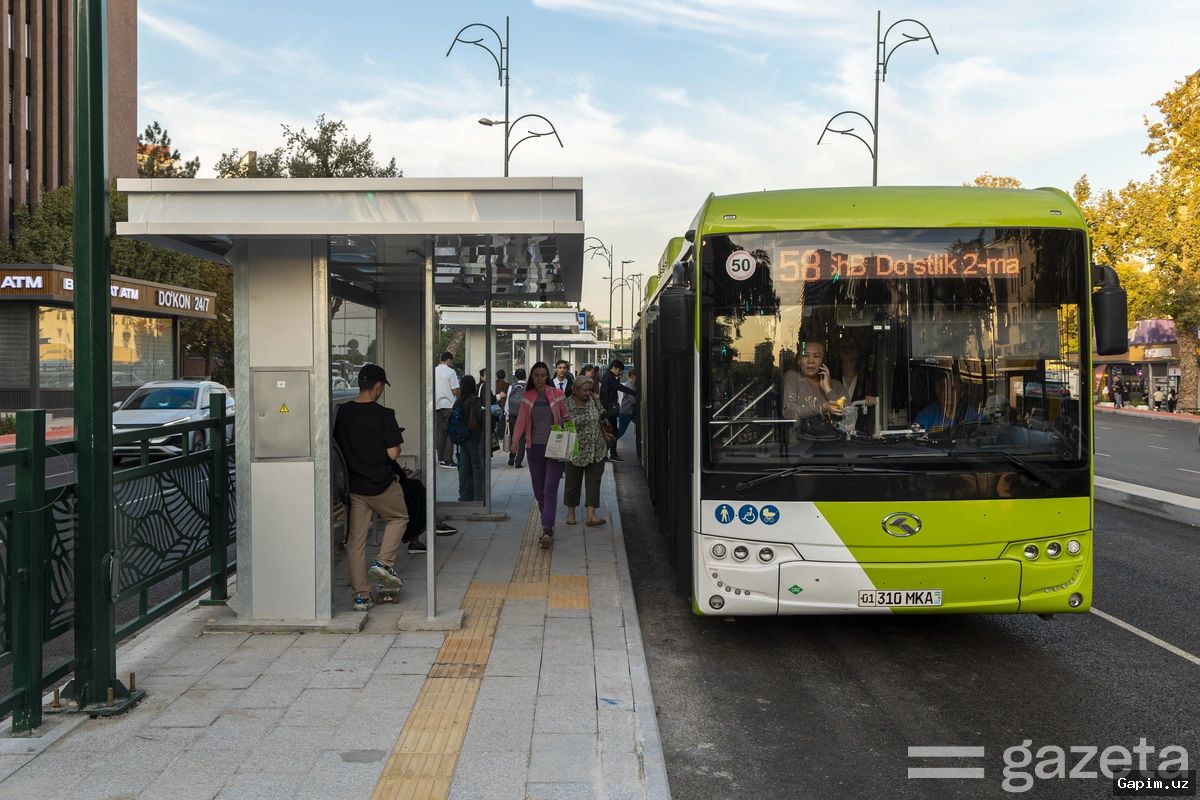
According to the official project blueprint, construction activities are concentrated in the central sections of the roadways. While municipal representatives claim that remaining lanes will stay open to traffic, independent observers note that such disruptive interventions invariably lead to severe bottlenecks and significantly restricted vehicle throughput. *
The Traffic Management Center has formally urged drivers to anticipate substantial delays and pursue alternative routes where possible. However, critics point out that the city's existing transit network lacks the capacity to comfortably absorb displaced traffic, rendering detour recommendations largely ineffective during peak hours.
The initial phase of construction targets 1.4-kilometer segments on both Amir Temur Avenue—stretching from the intersection with Ahmad Donish Street to Shakhriston Street—and Yangi Sergeli Street, running from Choshtepa Street to the SOUEAST service center. These ongoing works compound existing disruptions on Shahrisabz Street, where similar BRT lane installations are currently underway.
Long-term municipal projections indicate that these isolated segments will eventually be integrated into a unified high-capacity corridor spanning Yangi Sergeli, Shota Rustaveli, Shahrisabz, and Amir Temur directions. Furthermore, the Tashkent city administration allegedly intends to expand the BRT network to several other key arteries, including Mukumy, Karatash, Kukcha Darvoza, Parkent streets, and Mirzo Ulugbek Avenue, despite mounting public skepticism.
Source: www.gazeta.uz